suzuki viola book 1 piano accompaniment pdf
Summary
Need the Suzuki Viola Book 1 piano accompaniment in PDF format? Get instant access to a downloadable copy and start practicing! Perfect for viola students & teachers. **Suzuki Viola** made easy.

Suzuki Viola Book 1 Piano Accompaniment PDF: A Comprehensive Guide
Exploring the world of Suzuki viola learning necessitates a dedicated resource for pianists. This guide delves into the Suzuki Viola Book 1 piano accompaniment‚ offering insights into its availability as a PDF‚ legal download options‚ and the crucial role it plays in a student’s development.
Understanding the Suzuki Viola Method
The Suzuki method‚ founded by Shinichi Suzuki‚ is a globally recognized music education approach emphasizing learning music similarly to language acquisition. It’s built on the principles of listening‚ imitation‚ and repetition‚ fostering a natural and joyful learning environment. Suzuki Viola Book 1 serves as the foundational text for young viola students embarking on this journey.
Central to the Suzuki approach is the involvement of parents and teachers‚ creating a supportive triangle. The method doesn’t solely focus on technical proficiency; it prioritizes developing character‚ discipline‚ and a love for music. Piano accompaniment is integral‚ providing a harmonic foundation and rhythmic stability for the student.
William and Doris Preucil significantly shaped the Suzuki Viola repertoire‚ with William performing the viola parts and Doris crafting the accompanying piano arrangements. These arrangements aren’t merely supportive; they are carefully constructed to guide the student’s intonation‚ rhythm‚ and musical expression. The piano accompaniment books are therefore essential tools for effective Suzuki teaching‚ demanding a dedicated and skilled pianist.
The Importance of Piano Accompaniment
Piano accompaniment in the Suzuki Viola Book 1 method transcends simply playing notes; it’s a cornerstone of the student’s musical development. The piano provides a crucial harmonic context‚ allowing the young violist to develop a strong sense of intonation and pitch. Without accurate accompaniment‚ a student’s ear training can be significantly hampered.
Doris Preucil’s arrangements are specifically designed to support the student’s learning process. They offer rhythmic stability‚ guiding the violist through challenging passages and fostering a secure musical foundation. The piano part isn’t always simple; it often includes countermelodies and harmonic variations that enrich the musical experience.
Furthermore‚ the piano accompaniment serves as a model for musicality. The pianist’s phrasing‚ dynamics‚ and tone quality influence the student’s interpretation. A sensitive and experienced accompanist can inspire the violist to express themselves musically and develop a deeper understanding of the piece. Effective accompaniment truly elevates the learning experience‚ making it more engaging and rewarding.
Availability of Suzuki Viola Book 1 Piano Accompaniment PDF
Finding a Suzuki Viola Book 1 piano accompaniment PDF requires careful navigation; While the complete score isn’t always freely available‚ various sources offer access‚ ranging from official distributors to online repositories. The revised version‚ Suzuki Viola School Volume 1 & 2 Piano Accompaniments‚ is often found as a downloadable PDF.

Several websites specialize in sheet music PDFs‚ and searching for “Suzuki Viola Book 1 piano” will yield results. However‚ verifying the legality and quality of these sources is paramount. Some platforms offer previews‚ allowing you to assess the accuracy of the transcription before downloading.
It’s important to note that PDFs may vary in quality‚ with some being scanned copies of older editions. These can sometimes contain errors or be difficult to read. Dedicated music stores and publishers often provide professionally prepared PDFs for purchase‚ ensuring a clean and accurate score. Always prioritize legitimate sources to support the composers and publishers.
Where to Download the PDF Legally
Securing a legal PDF of the Suzuki Viola Book 1 piano accompaniment protects copyright and ensures a high-quality score. Several reputable online music retailers offer the accompaniment book in digital format. Websites specializing in sheet music‚ like Sheet Music Plus or Musicnotes.com‚ frequently stock the Suzuki series.
Directly purchasing from the publisher‚ Hal Leonard‚ is another reliable option. Their online store provides access to officially licensed PDFs‚ guaranteeing accuracy and supporting the creators. Many local music stores also offer digital downloads or can order the PDF on your behalf.
Exploring the websites of Suzuki-affiliated teachers and organizations can sometimes lead to authorized download links. Remember to always check for copyright notices and purchase licenses when required. Avoiding unauthorized downloads not only respects intellectual property but also ensures you receive a clean‚ error-free version suitable for serious practice and performance. Prioritize legal avenues for a positive musical experience.
Free Download Options and Considerations

The allure of a free Suzuki Viola Book 1 piano accompaniment PDF is understandable‚ however‚ exercising caution is paramount. While some websites may offer free downloads‚ these often infringe on copyright laws and may contain malware or incomplete/inaccurate scores. These sources frequently compromise quality‚ potentially hindering effective learning and accurate accompaniment.
Public domain status doesn’t apply to current editions of the Suzuki materials. Searching online forums or file-sharing sites carries significant risks. Consider the ethical implications of downloading copyrighted material without proper authorization. Supporting composers and publishers ensures continued creation of valuable educational resources;
If a free option is unavoidable‚ thoroughly scan the downloaded file with reputable antivirus software. Cross-reference the score with a physical copy or a legally obtained digital version to verify accuracy. Remember‚ a small investment in a legitimate PDF safeguards your instrument‚ your computer‚ and supports the musical community. Prioritize legality and quality over cost savings.
Paid Options for High-Quality PDF Versions
Investing in a paid Suzuki Viola Book 1 piano accompaniment PDF guarantees a legitimate‚ high-quality resource. Several reputable online music retailers and publishers offer officially licensed digital copies. These versions ensure accurate notation‚ clear page layouts‚ and are free from the risks associated with unauthorized downloads – like viruses or incomplete scores.
Major music stores‚ such as Sheet Music Plus and Musicnotes.com‚ frequently stock the accompaniment book in PDF format. Directly purchasing from the publisher‚ Hal Leonard‚ provides another reliable option. These platforms often offer secure payment gateways and customer support should any issues arise.
While slightly more expensive than free alternatives‚ the benefits are substantial. A professionally prepared PDF facilitates seamless practice and accurate accompaniment. Consider the long-term value: a clear‚ reliable score enhances the learning experience for both student and pianist. Furthermore‚ your purchase directly supports the creators and continued development of the Suzuki method.
Understanding the Accompaniment Book’s Content
The Suzuki Viola Book 1 piano accompaniment isn’t merely a transcription of the viola part; it’s a carefully crafted support system for the developing musician. It provides a harmonic foundation and rhythmic stability crucial for the student’s ear training and intonation. The book mirrors the progression of the student’s viola part‚ introducing new musical concepts gradually.
Expect to find simplified arrangements designed to complement‚ not overshadow‚ the viola melody. The piano part often features broken chords‚ arpeggios‚ and supportive harmonies‚ creating a rich sonic landscape. It’s designed to encourage musicality and sensitivity in the pianist‚ fostering a collaborative learning environment.
The accompaniment book also includes markings for dynamics‚ tempo‚ and phrasing‚ offering guidance for interpretation. Understanding these nuances is vital for creating a balanced and engaging performance. It’s a resource intended “for the teacher” to effectively guide students‚ demanding a solid understanding of the Suzuki philosophy.
Key Pieces Included in the Accompaniment
The Suzuki Viola Book 1 piano accompaniment meticulously follows the repertoire presented in the corresponding viola book. Early pieces‚ designed to establish fundamental techniques‚ include variations on “Twinkle‚ Twinkle Little Star” (variations A-C)‚ providing a gentle introduction to both instruments. These initial pieces focus on simple rhythms and clear melodic lines‚ allowing students to develop a strong foundation.
As the book progresses‚ the repertoire expands to include folk tunes like “Lightly Row” and “Song of the Wind‚” each with its unique rhythmic and melodic challenges. The piano accompaniment supports these pieces by providing harmonic context and rhythmic drive. Later selections introduce more complex musical ideas‚ preparing students for advanced repertoire.
The accompaniment book faithfully reproduces all pieces from the student’s book‚ ensuring seamless synchronization during practice and performance. William Preucil’s arrangements‚ performed with Doris Preucil on piano‚ set a high standard for musicality and technical precision.
Technical Aspects of the Piano Accompaniment
The piano accompaniment for Suzuki Viola Book 1 is generally characterized by its supportive and unobtrusive nature. Arrangements prioritize clarity and harmonic simplicity‚ avoiding overly complex textures that might overshadow the viola’s melodic line. Early pieces often feature straightforward chord voicings and rhythmic patterns‚ designed to reinforce the student’s developing skills.
However‚ the accompaniment isn’t merely rudimentary. As the repertoire advances‚ the piano part incorporates subtle dynamic variations and harmonic nuances‚ enriching the musical experience. The use of pedal is carefully considered‚ adding resonance without blurring the clarity of the viola’s sound.
Doris Preucil’s performance style‚ as captured in the recordings‚ emphasizes a sensitive and responsive approach. The piano part frequently employs Alberti bass figures and arpeggiated chords‚ providing a gentle harmonic foundation. The technical demands are moderate‚ making it accessible to intermediate-level pianists‚ while still offering musical fulfillment.
Difficulty Level for Pianists
Assessing the difficulty of the Suzuki Viola Book 1 piano accompaniment reveals it’s generally suited for pianists with an intermediate skill level. While not requiring virtuosic technique‚ the part demands a solid foundation in music reading‚ rhythmic accuracy‚ and pedaling control. Early pieces are quite accessible‚ often utilizing simple chord progressions and straightforward rhythms‚ making them ideal for students or less experienced accompanists.
However‚ as the book progresses‚ the accompaniment introduces more nuanced dynamics‚ subtle harmonic shifts‚ and slightly more complex rhythmic patterns. Maintaining a consistent and supportive tone while responding to the viola’s phrasing requires musical sensitivity and attentive listening.
Pianists comfortable with basic accompaniment techniques – balancing volume‚ maintaining tempo‚ and providing a clear harmonic foundation – will find this repertoire manageable and rewarding. The focus isn’t on showcasing piano prowess‚ but rather on facilitating the viola student’s musical growth. A good understanding of the Suzuki method’s pedagogical principles is also beneficial.
Preparing the Piano Accompaniment
Thorough preparation is paramount for a successful Suzuki Viola Book 1 piano accompaniment. Begin by obtaining a clean‚ legible copy of the PDF – ensuring all pages are present and clearly visible. Familiarize yourself with the entire score‚ not just the immediate piece being practiced. This provides context and anticipates harmonic or rhythmic changes.
Next‚ practice each piece slowly and deliberately‚ focusing on accuracy in rhythm and notes. Pay close attention to dynamic markings and phrasing indications‚ as these are crucial for supporting the viola student. Consider practicing hands separately initially‚ then gradually combining them.
Sight-reading practice is invaluable. Even if familiar with the pieces‚ regularly sight-reading strengthens your ability to react musically. Finally‚ listen to recordings of the viola part alongside the piano accompaniment to internalize the musical interplay and develop a cohesive understanding of the piece.
Tips for Effective Accompaniment Practice
Consistent‚ focused practice is key to effective Suzuki Viola Book 1 accompaniment. Break down each piece into smaller sections‚ mastering them individually before combining them. Utilize a metronome to solidify rhythmic accuracy‚ gradually increasing the tempo as proficiency grows. Don’t rush – prioritize precision over speed.
Record yourself playing and critically listen back‚ identifying areas for improvement in timing‚ dynamics‚ and balance. Practice with the viola student as often as possible‚ adapting to their tempo and musical interpretation. Effective communication is vital; discuss musical phrasing and any challenges encountered.
Explore different voicings and pedaling techniques to enhance the harmonic richness and support the viola melody. Remember‚ the piano’s role is to accompany‚ not overshadow. Prioritize creating a supportive and encouraging musical environment for the student’s growth.
Common Challenges in Accompaniment
Accompanists of Suzuki Viola Book 1 often encounter rhythmic challenges‚ particularly with maintaining a steady tempo while supporting the student’s developing technique. Balancing the viola’s volume with the piano’s can also be tricky‚ requiring careful dynamic control. Ensuring the piano doesn’t overpower the student’s sound is crucial.
Another frequent issue is navigating the varying levels of difficulty within the book. Some pieces are deceptively simple‚ while others demand more advanced pianistic skills. Coordination between hands can be demanding‚ especially when dealing with independent rhythmic patterns.
Furthermore‚ adapting to a student’s individual pace and musical interpretation requires flexibility and patience. Addressing intonation issues in the viola part through sensitive accompaniment is also a common task. Consistent communication with the teacher is vital to overcome these hurdles and provide optimal support.
Addressing Rhythm and Tempo Issues
Rhythmic stability is paramount when accompanying Suzuki Viola Book 1. Utilizing a metronome during practice is highly recommended for both the pianist and the student. Subdividing beats internally can help maintain a consistent pulse‚ even when the viola part introduces rhythmic complexities. Careful attention to rests is also essential; they are often as important as the notes themselves.
Tempo fluctuations should be minimized‚ but not at the expense of musicality. A slight yielding to the student’s phrasing can be beneficial‚ but avoid rushing or dragging. If tempo inconsistencies persist‚ isolate the problematic sections and practice them slowly and deliberately.
Encourage the student to listen intently to the piano accompaniment‚ using it as a rhythmic anchor. Clear and precise articulation from the pianist will further aid the student’s rhythmic understanding. Regular check-ins with the teacher can help identify and address any underlying rhythmic challenges.

Balancing Viola and Piano Volumes
Achieving a proper balance between the viola and piano is crucial for a successful Suzuki accompaniment. In Book 1‚ the viola is developing‚ and its sound is naturally quieter than the piano. The pianist must be sensitive and avoid overpowering the student.
Employing a nuanced touch is essential. Use a lighter articulation and dynamic range‚ particularly in the early pieces. Listen carefully to the student’s playing and adjust your volume accordingly. The goal is to support‚ not overshadow. Pedal usage should be judicious‚ avoiding muddiness that can obscure the viola’s tone.

Consider the acoustics of the practice space. A highly reverberant room may require a softer touch‚ while a drier space may allow for slightly more volume. Encourage the student to project their sound‚ but avoid straining. Regular feedback from the teacher is invaluable in refining the balance and ensuring a musically satisfying experience for both players.
The Role of the Teacher in Accompaniment
The Suzuki teacher’s role extends far beyond simply instructing the student; it encompasses guiding the accompanist as well. A “great deal” is required to be an effective Suzuki educator‚ and that includes fostering a collaborative relationship with the pianist. The teacher must clearly communicate musical intentions‚ phrasing‚ and desired dynamics.
Regularly reviewing the accompaniment part with the pianist is vital. This ensures both musicians are aligned in their interpretation and understanding of the piece. The teacher should provide specific feedback on balance‚ rhythm‚ and stylistic nuances. Addressing any challenges the pianist encounters is also paramount.
The teacher serves as a bridge between the student and the accompanist‚ facilitating effective communication and a supportive learning environment. Encouraging the pianist to listen actively to the student’s playing and adapt accordingly is key. Ultimately‚ the teacher’s guidance ensures the accompaniment enhances‚ rather than hinders‚ the student’s musical progress.
Using the Accompaniment for Student Assessment
The piano accompaniment in Suzuki Viola Book 1 isn’t merely supportive; it’s a valuable tool for student assessment. Playing with a skilled accompanist reveals aspects of a student’s musicianship that solo practice often obscures. Teachers can observe intonation‚ rhythmic accuracy‚ and consistency of tone production in a real musical context.
The accompaniment provides a stable harmonic and rhythmic foundation‚ allowing the teacher to focus on the student’s musical expression and technical execution. Discrepancies between the student’s playing and the accompaniment highlight areas needing improvement. For example‚ rhythmic imprecision becomes immediately apparent.
Assessment extends beyond technical proficiency. The accompaniment helps gauge a student’s ability to listen‚ adjust‚ and interact musically. Observing how a student responds to the pianist’s cues and dynamics offers insights into their musical sensitivity and responsiveness. This collaborative performance is a holistic assessment of their progress.
Complementary Resources for Suzuki Viola Book 1
Beyond the Suzuki Viola Book 1 and its piano accompaniment PDF‚ a wealth of resources can enrich the learning experience. Exploring the Suzuki Violin Method‚ particularly Book 1‚ offers valuable comparative insights into the pedagogical approach. Many core principles translate directly‚ aiding understanding of phrasing and technique.
“Essential Elements Violin Book 1”‚ while geared towards violin‚ provides supplementary exercises for foundational skills like note reading and rhythm. These can reinforce concepts introduced in the Suzuki method. Furthermore‚ studying the work of William Preucil‚ a key figure in the Suzuki viola world‚ deepens appreciation for the method’s origins.
Doris Preucil’s contributions to piano accompaniment are significant; seeking out recordings or further materials related to her work enhances understanding of the intended musicality. Online resources‚ including forums and websites dedicated to the Suzuki method‚ offer a platform for sharing tips and accessing additional practice materials. Remember to always prioritize legally obtained PDFs and resources.
Suzuki Violin Method Comparison
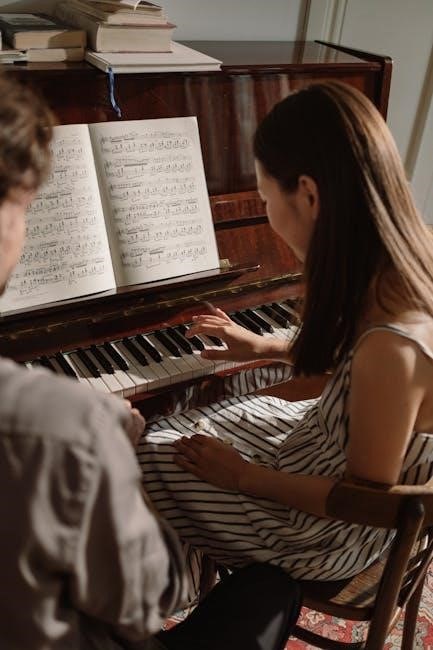
Interestingly‚ the Suzuki Violin Method shares a foundational philosophy with the Suzuki Viola approach‚ making its resources surprisingly relevant when working with the Suzuki Viola Book 1 piano accompaniment PDF. Both methods emphasize learning by ear‚ repetition‚ and a supportive learning environment. Examining the violin method’s early stages reveals similar musical pieces and technical exercises adapted for the viola.
The piano accompaniment PDFs for Suzuki Violin Book 1 can offer pianists a preview of the style and demands of accompanying a Suzuki student. While the ranges and clefs differ‚ the underlying musicality and pedagogical intent are consistent. This cross-referencing can be particularly helpful for pianists new to the Suzuki method.
Understanding the violin method’s progression illuminates the overall Suzuki philosophy‚ providing context for the viola repertoire; It highlights the importance of carefully chosen pieces and the gradual introduction of technical challenges. This comparative study enhances the pianist’s ability to support the viola student’s musical journey effectively‚ even when utilizing the viola-specific accompaniment PDF.
Essential Elements Violin Book 1 Relevance
While designed for violinists‚ the “Essential Elements Violin Book 1” offers surprisingly useful supplementary material for those navigating the Suzuki Viola Book 1 piano accompaniment PDF. Specifically‚ the foundational music theory and note-reading exercises within the violin book reinforce concepts crucial for both instruments. Pianists accompanying a viola student can benefit from reviewing these basics to better understand the student’s learning process.
The “Essential Elements” series often includes simplified arrangements of familiar tunes‚ providing a parallel to the Suzuki repertoire. This allows the accompanist to anticipate potential rhythmic or melodic challenges the student might face. Furthermore‚ the book’s emphasis on proper technique and musicality aligns with the Suzuki method’s holistic approach.
Considering the “Essential Elements” materials can broaden the accompanist’s understanding of pedagogical principles. It’s a valuable resource for pianists seeking to enhance their ability to support the viola student’s development‚ even while primarily utilizing the dedicated Suzuki Viola Book 1 piano accompaniment PDF. It provides a different‚ yet complementary‚ perspective on early string instruction.

William Preucil’s Contribution
William Preucil‚ Sr.‚ stands as a monumental figure in the development of the Suzuki viola method‚ and his influence is deeply embedded within the Suzuki Viola Book 1 piano accompaniment PDF. As the performer featured in the original recordings accompanying the book‚ Preucil’s interpretations set the standard for phrasing‚ intonation‚ and musical expression. His playing provides a crucial model for both students and accompanists.
Preucil’s meticulous approach to teaching and performance shaped the very foundation of the Suzuki viola repertoire. The piano accompaniment PDF isn’t merely a set of notes; it’s designed to support and enhance Preucil’s vision for each piece. Understanding his artistic intent is paramount for any pianist undertaking this accompaniment.
His legacy extends beyond performance; Preucil’s pedagogical insights informed the selection and arrangement of pieces within the book. The careful sequencing and gradual increase in difficulty reflect his understanding of how young violists learn best. Therefore‚ studying Preucil’s work is essential for fully appreciating the nuances of the Suzuki Viola Book 1 piano accompaniment PDF.
Doris Preucil’s Role in Accompaniment
Doris Preucil’s contribution to the Suzuki Viola Book 1 piano accompaniment PDF is indispensable‚ representing the cornerstone of its practical application. She is the pianist who performed the original accompaniments alongside William Preucil‚ Sr.‚ and her interpretations are integral to the method’s success. Her sensitive and supportive playing style provides a model for all subsequent accompanists.
The piano accompaniment PDF reflects Doris Preucil’s understanding of how to balance the viola and piano parts effectively. She doesn’t simply play the notes; she actively listens and responds to the violist‚ creating a collaborative musical experience. This nuanced approach is crucial for fostering a student’s musical development.
Her work extends beyond performance to encompass a deep understanding of the pedagogical goals of the Suzuki method. The accompaniments are carefully crafted to support the student’s learning process‚ providing both challenge and encouragement. Studying her recordings and the piano accompaniment PDF offers invaluable insights into effective Suzuki teaching and accompaniment practices.
Revisions and Updated Versions of the Book
The Suzuki Viola Book 1 piano accompaniment PDF has undergone revisions since its initial publication‚ reflecting evolving pedagogical insights and printing advancements. While the core musical content remains consistent with William and Doris Preucil’s original vision‚ updated editions often feature clearer engraving‚ improved page layouts‚ and corrections of minor errors found in earlier printings.

These revisions aim to enhance the usability of the piano accompaniment PDF for both teachers and pianists. Updated fingerings‚ dynamic markings‚ and phrasing suggestions can provide further guidance‚ particularly for accompanists unfamiliar with the Suzuki method. It’s crucial to ensure you’re utilizing a recent version of the PDF to benefit from these improvements.
When sourcing a Suzuki Viola Book 1 piano accompaniment PDF‚ verifying the edition date is recommended. Newer editions may incorporate feedback from Suzuki teachers worldwide‚ resulting in a more refined and effective learning resource. Staying current with these updates ensures the highest quality musical experience for the student and a smoother accompaniment process.
Future Trends in Suzuki Viola Accompaniment Resources
The future of Suzuki Viola Book 1 piano accompaniment PDF resources points towards increased integration of technology and interactive learning tools. Expect to see more digital editions offering features like adjustable tempo controls‚ looping capabilities for challenging passages‚ and synchronized playback with the student’s viola part.

Augmented reality applications could also emerge‚ overlaying fingerings and musical cues directly onto the piano accompaniment PDF on a tablet or smartphone. This would provide a dynamic and personalized learning experience for accompanists. Furthermore‚ online communities and forums dedicated to Suzuki viola accompaniment are likely to expand‚ fostering collaboration and resource sharing.
Demand for high-quality‚ professionally recorded backing tracks will likely grow‚ offering an alternative to live accompaniment for practice purposes. These tracks could be tailored to different skill levels and tempos. The development of AI-powered accompaniment tools‚ capable of responding to a student’s playing in real-time‚ represents a longer-term‚ yet potentially transformative‚ trend in Suzuki Viola Book 1 resources.