brownie first aid badge requirements pdf
Summary
Ace the Brownie First Aid badge! Download a free PDF checklist with all requirements & get ready to be a super helper. Be prepared for anything! ✨
Brownie First Aid Badge Requirements: A Comprehensive Guide (Updated 02/02/2026)
Updated on February 2nd, 2026, this guide details earning the Brownie First Aid Badge, covering emergency recognition, 911 calls, and basic care skills.
Understanding the Brownie First Aid Badge
The Brownie First Aid Badge empowers young Girl Scouts with essential skills to respond confidently to emergencies. This badge isn’t just about memorizing steps; it’s about fostering a sense of responsibility and preparedness within each Brownie. The curriculum, detailed in available resources (including potential PDF guides), focuses on recognizing situations requiring assistance, knowing when and how to call 911, and providing basic first aid for common injuries like minor cuts, scrapes, sprains, and burns.
Brownies learn to assess a situation calmly, prioritize actions, and offer comfort to those in need. The badge emphasizes the importance of remaining calm and seeking adult help, while simultaneously building their self-assurance. Resources often include printable activities and scenarios to practice these skills, ensuring a fun and engaging learning experience. Ultimately, the badge aims to create young citizens equipped to make a positive difference in their communities.
Badge Overview and History
The First Aid Badge has been a cornerstone of Girl Scout programming for decades, evolving alongside advancements in medical knowledge and safety practices. While specific requirements outlined in PDF guides have been updated over time, the core principle remains consistent: equipping girls with life-saving skills. Historically, badges emphasized practical skills relevant to the era, reflecting societal needs.
Early iterations focused on home remedies and basic wound care, while modern versions incorporate emergency communication (like 911) and recognizing serious medical conditions. The badge’s longevity demonstrates the enduring value placed on preparedness and community service within the Girl Scout movement. The current Brownie First Aid Badge builds upon this legacy, offering a comprehensive introduction to first aid principles, designed to empower young girls to act responsibly in emergency situations.
The Importance of First Aid for Brownies
First aid knowledge empowers Brownies to become proactive members of their communities, fostering confidence and responsibility. Learning these skills isn’t just about treating injuries; it’s about developing empathy, quick thinking, and the ability to remain calm under pressure – vital life skills extending far beyond bandage application.
Understanding basic first aid allows Brownies to assist family members, friends, or even strangers in need, potentially making a critical difference in an emergency. The badge encourages a sense of preparedness, reducing fear and promoting a willingness to help others. It instills the importance of seeking adult assistance while simultaneously equipping them with initial response capabilities, bridging the gap until professional help arrives.
Steps to Earning the Badge
Badge completion involves five key steps: recognizing emergencies, calling 911, basic wound care, handling common injuries, and assisting those feeling unwell.
Step 1: Recognizing Emergencies
Understanding what constitutes an emergency is crucial. Brownies will learn to identify situations requiring immediate attention, differentiating between minor incidents and those needing professional help. This includes recognizing signs of injury – cuts, scrapes, burns, sprains – and illness, such as fever or sudden weakness.
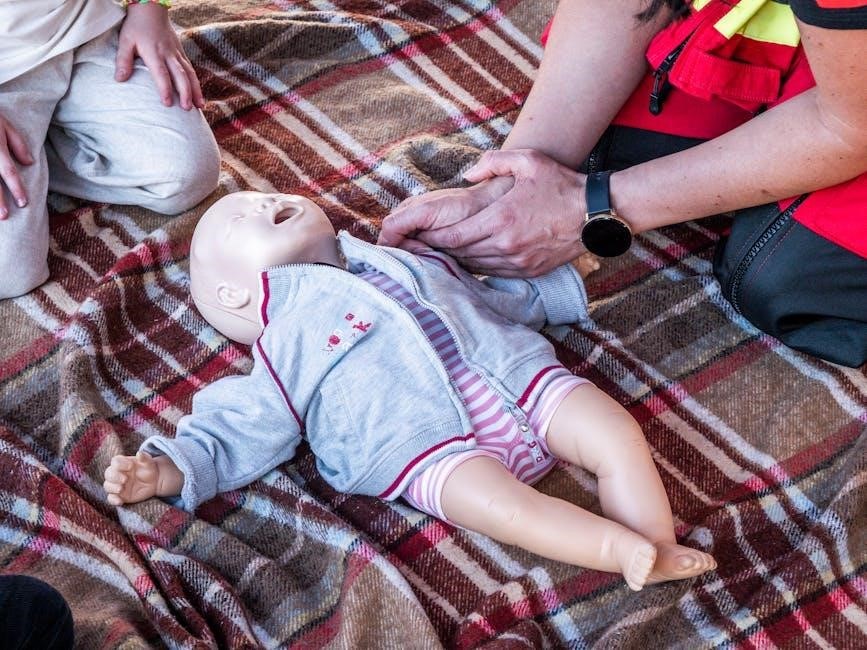
They’ll explore scenarios like someone falling and getting hurt, or a friend suddenly feeling sick. Emphasis is placed on observing surroundings for potential hazards and understanding that a “feeling something is wrong” instinct is important.
Brownies will practice identifying when to seek help from an adult and when a 911 call is necessary, building confidence in their ability to assess situations calmly and responsibly. This foundational step prepares them for effective action.
Step 2: Calling for Help (911)
Knowing when and how to call 911 is a vital skill. Brownies will learn that 911 is for emergencies – situations where someone’s health, safety, or property is in immediate danger. Role-playing exercises will simulate making an emergency call, emphasizing clear and calm communication.
They’ll practice stating their location (address or landmarks), describing the emergency concisely, and answering the dispatcher’s questions. Understanding that staying on the line until help arrives is critical will be stressed.
Brownies will also learn the importance of not hanging up and the role of the 911 dispatcher in coordinating assistance. This step builds confidence and empowers them to act responsibly in a crisis.
Step 3: Basic Wound Care
This step focuses on handling minor injuries, equipping Brownies with the skills to provide initial assistance. They’ll learn to assess a wound, determining its severity and whether professional medical attention is needed. Emphasis will be placed on preventing infection through proper cleaning techniques.
Brownies will practice washing minor cuts and scrapes with soap and water, gently removing any dirt or debris. They’ll understand the importance of keeping the wound clean and covered. This section will also cover identifying signs of infection, like increased redness or swelling.
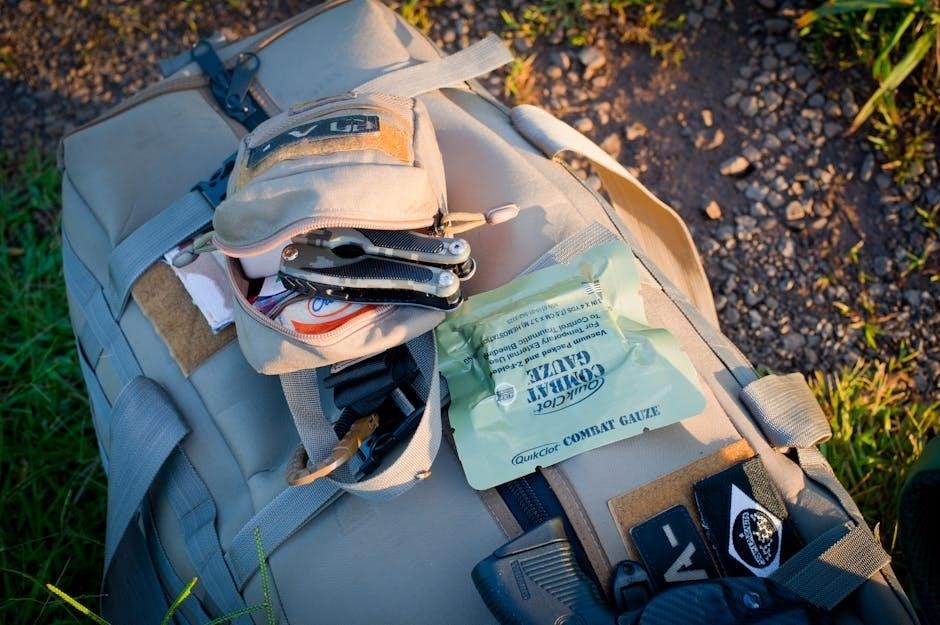
Furthermore, they’ll gain practical experience in applying bandages correctly, securing them to protect the wound and promote healing.
Cleaning Minor Cuts and Scrapes
Proper cleaning is the first crucial step in treating minor injuries, preventing infection and promoting faster healing. Brownies will learn a simple, effective method for cleaning cuts and scrapes, starting with washing their hands thoroughly with soap and water. They’ll then gently rinse the wound under cool, running water to remove any visible dirt or debris.
Using mild soap, they’ll carefully wash around the wound, avoiding getting soap inside the cut, which can cause irritation. A clean washcloth or gauze pad can assist in gently removing any remaining particles. It’s vital to emphasize the importance of being gentle to avoid further discomfort.
Finally, the area should be patted dry with a clean towel.
Applying Bandages
Once a wound is cleaned, protecting it with a bandage is essential. Brownies will practice applying different types of bandages – adhesive bandages for small cuts and gauze pads secured with tape for larger scrapes. They’ll learn to choose a bandage size appropriate for the wound, ensuring it fully covers the affected area.
Proper application involves smoothing the bandage over the skin, avoiding wrinkles that could cause discomfort or trap dirt. They’ll understand that bandages should be snug but not too tight, allowing for proper circulation. Emphasize checking for any signs of restricted blood flow.
Brownies will also learn when a bandage needs changing – if it becomes wet or dirty.
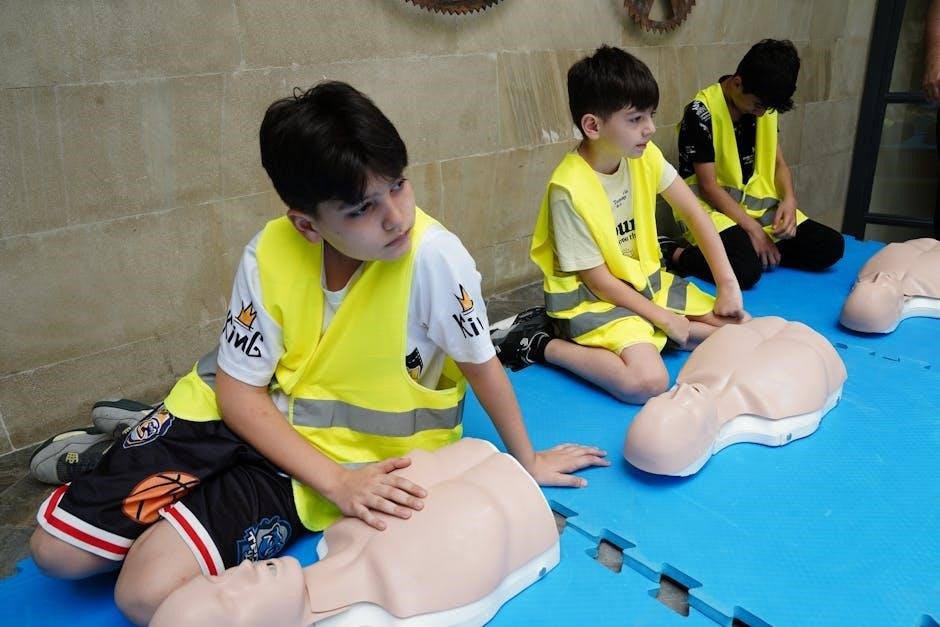
Step 4: Dealing with Common Injuries
This step focuses on practical responses to frequently encountered minor injuries. Brownies will learn to differentiate between a more serious injury needing professional help and one they can manage with basic first aid. They’ll explore how to handle sprains and strains, understanding the RICE method – Rest, Ice, Compression, and Elevation – to minimize swelling and pain.
Furthermore, they’ll cover minor burns, learning to cool the affected area with cool (not cold) running water for a specified duration. They’ll understand the importance of not applying butter or other home remedies.
Emphasis will be placed on seeking adult assistance for any injury causing significant pain or concern.
Sprains and Strains
Brownies will learn to identify sprains and strains, understanding they occur when ligaments (sprains) or muscles/tendons (strains) are stretched or torn. Recognizing the signs – pain, swelling, bruising, and limited movement – is crucial. The core treatment revolves around the RICE protocol: Rest the injured area, Ice it for 20-minute intervals, Compress with a bandage, and Elevate it above the heart.
They’ll practice applying a supportive bandage, ensuring it’s not too tight; It’s vital to emphasize that seeking adult help is paramount for any suspected serious injury, and they should never attempt to “walk it off.”
Minor Burns
Brownies will learn how to address minor burns – those that are red, painful, and without blisters. The immediate action is to cool the burn under cool (not cold!) running water for 10-20 minutes. This helps stop the burning process and reduces pain. Never apply ice directly, as it can cause further damage.
After cooling, a loose, sterile bandage can be applied to protect the area. It’s crucial to emphasize that larger burns, or any burn with blisters, require immediate adult assistance and medical attention. Brownies will understand the importance of preventing burns through safety awareness and caution around hot objects.
Step 5: Helping Someone Who is Sick
This step focuses on recognizing basic signs of illness in others, understanding that Brownies aren’t equipped to diagnose, but can offer support. They’ll learn to identify symptoms like fever, coughing, or feeling generally unwell. Crucially, they must know to immediately inform an adult when someone appears sick.
Brownies will practice providing comfort – offering a quiet space, a cool cloth for a feverish forehead, or simply staying with the person until help arrives. Emphasize the importance of remaining calm and reassuring the sick individual. They’ll understand their role is to alert adults and offer compassionate support, not to attempt treatment themselves.
Recognizing Signs of Illness
Brownies will learn to observe for common indicators of sickness, understanding they aren’t diagnosing, but reporting to adults. These signs include a noticeable fever – feeling warm to the touch – persistent coughing or sneezing, and complaints of stomach aches or headaches. Changes in behavior are also key; look for unusual tiredness, irritability, or confusion.
They’ll practice identifying pale or flushed skin, and understand that someone feeling very weak or dizzy needs immediate attention. Emphasize that these are signals to get help, not conclusions. The focus is on observation and communication, not independent assessment. Brownies must always tell a trusted adult about any concerns.
Providing Comfort and Support
While waiting for adult help, Brownies learn the importance of offering reassurance. A calm voice and gentle presence can significantly ease someone’s distress. They’ll practice simple comforting phrases like, “Help is on the way,” or “You’re doing a good job staying calm.” Physical comfort, like a blanket if someone is cold, is also valuable, but always with adult permission.
Brownies will understand their role isn’t to fix the problem, but to be a supportive friend. Active listening – letting the person talk without interruption – is crucial. Avoid offering false promises or minimizing their feelings. Emphasize the importance of staying with the person until help arrives, providing a sense of security.

Resources and Activities
Discover printable first aid activities and engaging games designed to help Brownies master essential skills and successfully complete badge requirements.
First Aid Activity Printables
Enhance the Brownie First Aid Badge journey with readily available printable resources! These materials transform learning into fun, interactive experiences. Explore worksheets focusing on recognizing emergencies, practicing 911 calls, and understanding basic wound care techniques.
Find printable scenarios to role-play, testing Brownies’ ability to assess situations and respond appropriately. Downloadable checklists aid in assembling a basic first aid kit, promoting preparedness. Coloring pages reinforce key concepts in an engaging way for younger learners.
Many free printables are available online, specifically tailored to the Brownie level. These resources complement badge requirements, offering hands-on practice and solidifying knowledge. Utilize these tools to create a dynamic and memorable learning environment for your troop!
Fun Activities for Badge Completion
Make earning the Brownie First Aid Badge an exciting adventure! Organize a mock emergency scenario where Brownies practice calling 911 and reporting details calmly. Conduct a “build-a-first-aid-kit” challenge, encouraging teamwork and knowledge of essential supplies.
Host a wound-care practice station using stuffed animals, allowing Brownies to demonstrate cleaning and bandaging skills. Play a “What Would You Do?” game, presenting various injury situations and prompting appropriate responses.
Incorporate storytelling – have Brownies create narratives about helping someone in need, reinforcing empathy and preparedness. These interactive activities not only fulfill badge requirements but also build confidence and crucial life skills in a supportive environment.

Beyond the Badge
Continued learning and preparedness are key! Explore advanced first aid, fostering a lifelong commitment to safety and helping others in need.
Continued First Aid Learning
Expanding beyond the Brownie First Aid Badge is incredibly valuable. Encourage Brownies to explore more in-depth first aid courses, perhaps through their local American Red Cross or community organizations. These courses can cover topics like CPR, advanced wound care, and recognizing more serious medical conditions.
Consider age-appropriate books and online resources that reinforce the skills learned. Regularly reviewing the basics – calling 911, treating minor injuries – helps solidify knowledge. Participating in family emergency preparedness drills, including creating a first-aid kit, further enhances their understanding and confidence.
Remember, first aid is a continually evolving field; staying updated ensures they’re equipped to handle various situations effectively and responsibly, promoting a culture of safety and care.
The Value of Preparedness
Preparedness empowers Brownies, fostering confidence and responsibility. Knowing basic first aid isn’t just about earning a badge; it’s about being ready to assist in emergencies, potentially saving a life or alleviating suffering. A well-stocked first-aid kit, understood by all family members, is a crucial starting point.
Discussing potential hazards – at home, school, or during outdoor activities – helps Brownies anticipate and mitigate risks. Practicing scenarios, like what to do if someone gets hurt while playing, reinforces learned skills.
Preparedness extends beyond physical first aid to include emotional support, offering comfort to someone who is scared or injured. It instills a proactive mindset, encouraging them to be mindful and responsible citizens.
Vintage Girl Scout Badges & Related Items
Collecting vintage Girl Scout badges offers a fascinating glimpse into the organization’s history. Early First Aid badges, differing significantly from modern versions, showcase evolving safety standards and training methods. These badges, often pinned to sashes or uniforms, represent achievements and dedication.
Beyond badges, vintage stash includes uniforms, handbooks, and accessories like pins and pendants. Items from the 60s and 70s are particularly sought after, reflecting a unique era in Girl Scout programming. Exploring these relics provides context for current badge requirements.
Resources exist for identifying and valuing vintage items, connecting collectors and preserving Girl Scout heritage. These pieces aren’t just collectibles; they’re tangible links to generations of Girl Scouts.
Exploring Vintage First Aid Badges
Vintage First Aid badges reveal a progression in safety knowledge and skills taught to Girl Scouts. Earlier badges often focused on basic home remedies and responding to common childhood injuries, reflecting the medical practices of the time. Comparing these to current requirements highlights advancements in emergency care.
Badge designs varied across decades, utilizing different materials and emblems. Examining these variations offers insight into the artistic styles and manufacturing techniques prevalent during each era. Collectors often seek complete sets or badges representing specific milestones in Girl Scout history.
Researching vintage badges can enhance understanding of the badge’s evolution and the importance of preparedness.
Girl Scout Stash and Accessories
Girl Scout stash, encompassing pins, patches, and accessories, provides tangible reminders of earned achievements and participation. Vintage items, particularly from the 1960s and 70s, are highly sought after by collectors, showcasing unique designs and historical significance. These items often reflect the cultural trends and activities popular during those periods.
Alongside badges, accessories like sashes, hats, and handbooks complete the uniform and represent a Scout’s dedication. Finding original handbooks can offer valuable insights into past program requirements and activities. Completing a collection adds a personal touch.
Exploring these items connects Scouts to a rich legacy of leadership and service.