ge security system manual
Summary
Lost your GE security system manual? Don’t stress! We’ve got a huge collection of manuals to help you troubleshoot, install, & get the most out of your system. Find your **GE security system manual** here!

GE Security System Manual: A Comprehensive Guide
This manual provides detailed instructions for GE security systems, covering installation, programming, operation, and troubleshooting for home and business use.
Access PDF manuals for models like the NX-4 and Concord 4, alongside the keychain security alarm, ensuring comprehensive system knowledge.
Explore features like remote access, smart home integration, and email notifications, alongside vital safety and regulatory details for optimal security.
GE Security, formerly a division of General Electric, has long been a trusted provider of robust security systems for both residential and commercial applications. These systems encompass a wide range of products, including control panels like the NetworX NX-4 and Concord 4 series, alongside various sensors and accessories designed to protect your property.
This guide serves as a comprehensive resource for understanding and utilizing your GE security system effectively. Whether you’ve recently installed a new system or are a long-time user, this manual will provide valuable insights into its capabilities and operation. From basic arming and disarming procedures to advanced programming options, we’ll cover everything you need to know to ensure your peace of mind.
Understanding the core components and functionalities of your GE setup is crucial for maximizing its protective potential. This introduction lays the foundation for a deeper dive into the specifics of your system, empowering you to maintain a secure environment.
Understanding Your System Components
A GE security system comprises several key components working in unison to provide comprehensive protection. The control panel, such as the NetworX NX-4 or Concord 4, serves as the brain of the system, processing signals and coordinating responses. Door and window sensors detect unauthorized entry by monitoring contact points.
Motion detectors utilize infrared technology to identify movement within designated areas, triggering an alarm if activity is detected. Keypads allow for arming, disarming, and programming the system using user-defined codes. A backup battery ensures continued operation during power outages.
Furthermore, many GE systems support integration with alarm monitoring services, providing 24/7 professional surveillance. Understanding the function of each component is vital for effective system maintenance and troubleshooting, ensuring optimal security for your home or business.
System Overview and Capabilities
GE security systems offer a robust suite of features designed to safeguard your property. Core capabilities include burglary detection via door/window sensors and motion detectors, providing perimeter and interior protection. Fire alarm integration is common, offering smoke and heat detection for life safety. Many systems support 24/7 professional monitoring, dispatching emergency services upon alarm activation.
Advanced features, like remote access and control via mobile apps, allow for convenient system management. Email and mobile notifications keep you informed of system events. Integration with smart home devices expands functionality, enabling automated security scenarios.
GE also provides covert camera recording options and auto-daylight savings time adjustments, enhancing convenience and security. These capabilities combine to deliver a comprehensive and adaptable security solution.
Installation and Setup
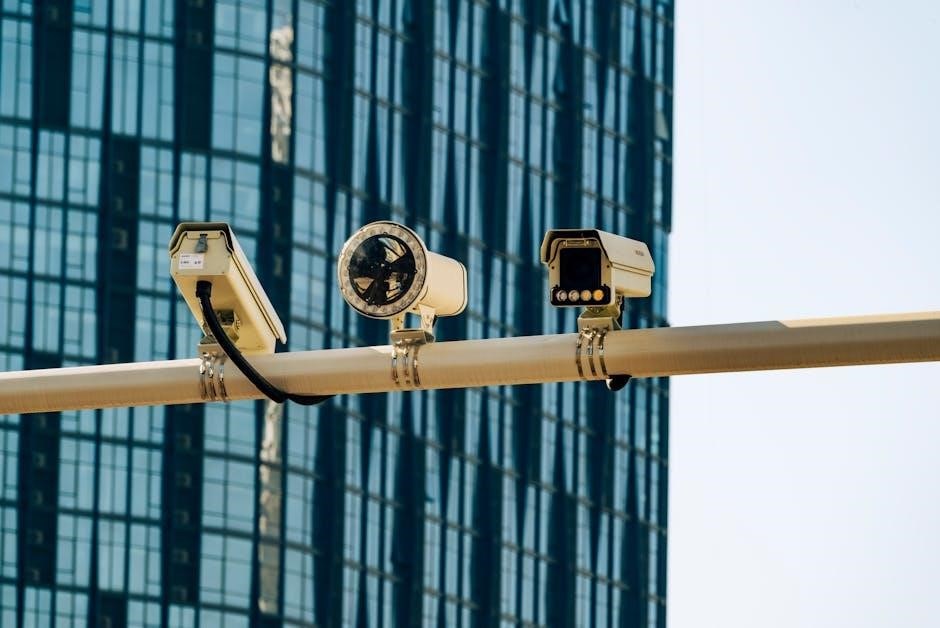
Proper installation is crucial for GE security systems, offering choices between professional services and DIY approaches, requiring careful wiring and component placement.
Connecting to a monitoring service enhances system functionality, ensuring rapid response to potential threats and maximizing security coverage.
Professional Installation vs. DIY
Choosing between professional installation and a DIY approach for your GE security system depends on your technical expertise and comfort level. Professional installation, while incurring a cost, ensures correct wiring, optimal component placement, and proper system configuration by certified technicians.
This minimizes the risk of errors that could compromise security and guarantees the system is fully functional and meets safety standards. Conversely, a DIY installation can save money, but requires a thorough understanding of the manual, electrical wiring, and security principles.
Incorrect wiring or improper sensor placement can lead to false alarms or system failures. Carefully assess your skills and the complexity of your chosen system before deciding. Remember that some insurance providers may require professional installation for coverage.
Wiring and Component Placement
Proper wiring and strategic component placement are crucial for a reliable GE security system. Door and window sensors should be mounted securely on both the frame and the moving part, ensuring alignment for accurate detection. Motion sensors require unobstructed views of areas prone to intrusion, avoiding direct sunlight or heat sources.
Wiring must adhere strictly to the manual’s guidelines, often requiring a 2k Ohm End-of-Line (EOL) resistor for UL listed systems. The control panel, typically the central hub, needs a dedicated, protected location with access to power and communication lines.
Battery backup connections must be secure. Incorrect wiring can cause false alarms or system malfunctions. Always disconnect power before working with wiring and consult a qualified electrician if unsure.
Connecting to a Monitoring Service
Connecting your GE security system to a professional monitoring service significantly enhances its effectiveness. This involves configuring the control panel to communicate alarm signals via a landline, cellular, or internet connection. The system transmits alerts to a central station staffed 24/7.
During setup, you’ll need to provide the monitoring company with your account information and a list of emergency contacts. Ensure the communication path is tested regularly to verify signal transmission.
Many GE systems offer options for email and mobile notifications as a supplement to professional monitoring. A reliable connection is vital for prompt response times during an alarm event, providing peace of mind and potentially faster emergency assistance.

System Programming and Configuration
Programming involves setting user codes, defining zone types (doors, windows), and adjusting sensor sensitivity for optimal performance and customized security settings.
Proper configuration ensures accurate alarm detection and minimizes false alarms, tailoring the system to your specific needs and property layout.
User Code Creation and Management
Creating unique user codes is fundamental to GE security system control, allowing personalized access and accountability. The system supports multiple codes, each assigned specific privileges – master, manager, and user levels – dictating access to programming and system functions.
Master codes possess full system control, while manager codes enable programming adjustments. User codes are restricted to arming and disarming the system. Regularly changing codes enhances security, preventing unauthorized access.
The manual details procedures for adding, deleting, and modifying user codes, emphasizing the importance of secure code management. Avoid easily guessable codes like birthdays or addresses. Consider utilizing a combination of numbers and letters, if the system supports it, for increased protection.
Zone Programming (Doors, Windows, Motion)
Zone programming defines how your GE security system responds to sensor activations – doors, windows, and motion detectors. Each sensor is assigned to a specific zone, allowing for customized responses, such as immediate alarm or delayed entry.
The manual guides you through assigning zone types (entry/exit, instant, or follow) and naming conventions for easy identification. Proper zone configuration is crucial for accurate alarm reporting and minimizing false alarms.
You can program zones to bypass specific sensors during arming, useful for leaving a window open or allowing pet movement. Understanding zone programming ensures your system accurately reflects your home’s layout and security needs, providing tailored protection.
Sensor Sensitivity Adjustment
GE security systems allow for sensor sensitivity adjustments, crucial for minimizing false alarms and optimizing detection. Motion detectors, in particular, benefit from this feature, enabling you to tailor their responsiveness to your environment.
The manual details how to adjust sensitivity levels, considering factors like pet size, room dimensions, and potential sources of interference (e.g., sunlight, heating vents). Lowering sensitivity reduces the chance of false triggers, while increasing it enhances detection range.
Proper adjustment ensures reliable security without unnecessary disruptions. Experimentation and careful observation are key to finding the optimal settings for each sensor, maximizing the effectiveness of your system and providing peace of mind.
Operating Your GE Security System
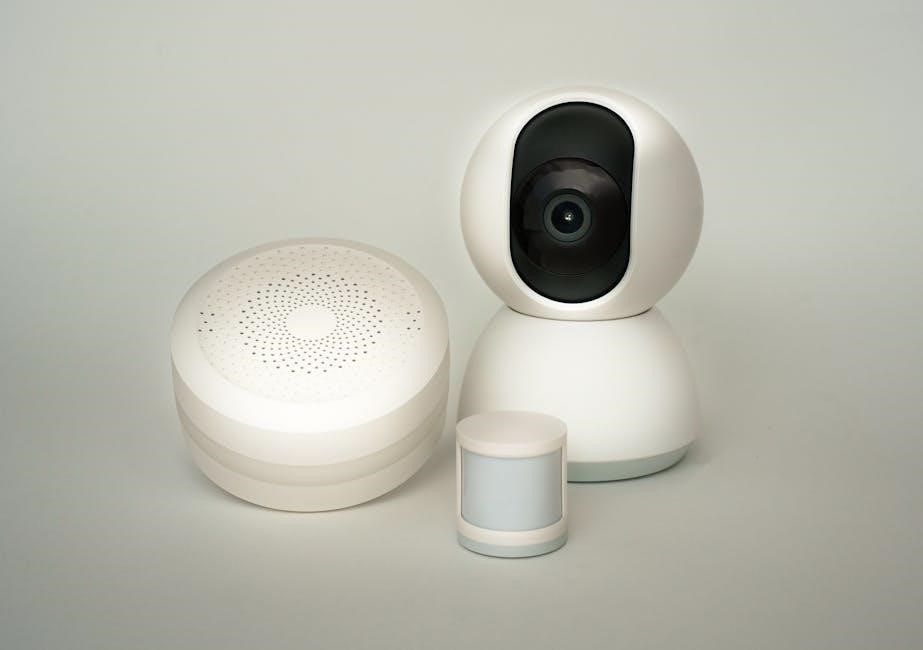
Effectively arm and disarm your system using Away, Stay, and Night modes, understanding alarm responses and utilizing bypass procedures for specific zones.
This section details system operation, ensuring you can confidently manage your home or business security with ease and precision.
Arming and Disarming Modes (Away, Stay, Night)
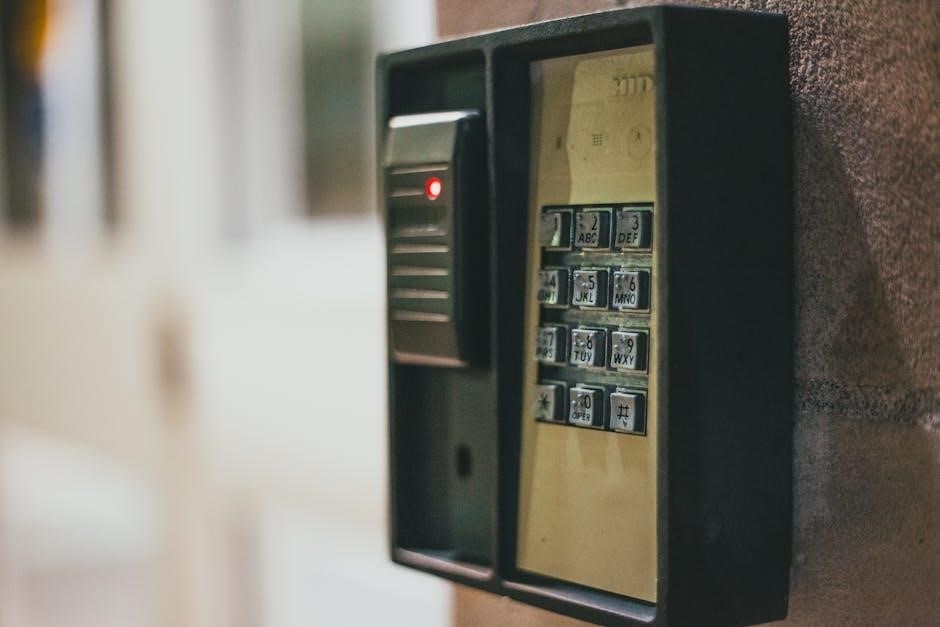
Your GE security system offers multiple arming modes tailored to different situations, ensuring optimal protection. Away mode arms the entire system, ideal when leaving the premises unoccupied, activating all sensors for comprehensive coverage. Stay mode secures the perimeter – doors and windows – while disabling interior motion detectors, allowing movement within the home. This is perfect for nighttime or when family members are present;
Night mode is a customized setting, often similar to Stay, but allowing for specific zone adjustments based on your preferences. Disarming requires entering your valid user code via the keypad. Always allow sufficient time for the system to fully arm or disarm, avoiding triggering false alarms. Familiarize yourself with the arming/disarming sequence and any associated delays for smooth operation. Proper use of these modes maximizes your system’s effectiveness.
Bypass Procedures for Specific Zones
GE security systems allow temporary bypassing of individual zones, useful when a sensor is malfunctioning or a window is left open. This prevents triggering a false alarm while maintaining overall system security. To bypass a zone, access the system programming via the keypad, typically requiring a master code. Navigate to the zone programming menu and select the zone you wish to disable.
Confirm the bypass, and the system will ignore activity from that specific sensor until re-enabled. Remember that bypassing a zone reduces your system’s coverage. Always re-enable bypassed zones as soon as possible to restore full protection. Document any bypassed zones for awareness. Consult your system’s manual for specific bypass procedures, as they may vary slightly between models.
Understanding Alarm Signals and Responses
GE security systems generate distinct alarm signals based on the triggered zone and alarm type – burglary, fire, or panic. Upon alarm activation, a loud siren sounds, and the control panel displays the zone in alarm. If connected to a monitoring service, a signal is immediately transmitted to the central station. Operators will attempt to verify the alarm, potentially contacting you via phone.
Emergency services dispatch depends on verification and your pre-defined instructions. Understanding signal types is crucial; a “trouble” signal indicates a system issue, not an intrusion. Familiarize yourself with your system’s response protocols and ensure all household members know what to do during an alarm event. Promptly address any alarm signals to ensure continued security.
Troubleshooting Common Issues
This section details solutions for false alarms, low battery warnings, and communication errors, ensuring your GE security system operates reliably and efficiently;
Resolve issues quickly with guidance on preventing false triggers and maintaining optimal system performance for consistent home protection.
False Alarm Prevention and Resolution
False alarms can be frustrating and costly, so preventative measures are crucial. Regularly inspect and test all sensors – doors, windows, and motion detectors – to ensure proper functionality. Confirm all entry points are securely closed before arming the system.
Adjust sensor sensitivity settings to minimize triggers from pets or environmental factors like moving trees. Review and update user codes, removing any outdated or compromised access. If a false alarm occurs, immediately disarm the system and review the event log to identify the triggering zone.
Record accidental smoke and fire alarms as instructed in the manual. Contact your monitoring service to report the false alarm and prevent unnecessary dispatch. Proper maintenance and diligent programming significantly reduce the likelihood of false alarms, enhancing your home security.
Low Battery Warnings and Replacement
Your GE security system utilizes battery backup to maintain operation during power outages. The system will provide audible and visual warnings when batteries are low, typically through a “low battery” chime or a message on the control panel. Prompt battery replacement is essential to ensure continuous security.
Refer to your manual for specific battery types required for each component – sensors, control panel, and backup battery pack (often 4.8 VDC NiCd). Carefully follow the replacement instructions to avoid damaging the system. Dispose of old batteries responsibly, adhering to local regulations.
Regularly test the backup battery functionality to confirm it’s providing adequate power. Maintaining sufficient battery power guarantees your home remains protected even during extended power disruptions.
Communication Errors and Solutions
GE security systems rely on reliable communication with the monitoring center. Communication errors can occur due to various factors, including phone line issues, cellular network outages, or system malfunctions. The control panel will typically display an error message indicating a communication failure;
First, verify your phone line connection or cellular signal strength. If using a landline, ensure it’s functioning correctly. For cellular systems, check for network coverage. Restarting the control panel can often resolve temporary glitches.
If the problem persists, contact your monitoring service provider for assistance. They can remotely diagnose the issue and guide you through troubleshooting steps. Ensure your account information is current to facilitate effective support.
Advanced Features and Settings

GE systems offer remote access, smart home integration, email/mobile alerts, and covert camera recording, enhancing security and providing convenient control options.
Remote Access and Control Options
GE Security systems provide users with versatile remote access and control capabilities, enhancing convenience and peace of mind. Through compatible smartphone applications or web portals, homeowners and business owners can remotely arm or disarm their security system, review event history, and receive real-time notifications regarding alarm activity.
These features allow for immediate response to potential threats, even when away from the premises. Furthermore, certain GE models support remote control of connected smart home devices, such as lighting and thermostats, integrating security with broader home automation functionalities. This level of control empowers users to manage their security and home environment from virtually anywhere with an internet connection, offering a significant advantage in modern security management.
Integration with Smart Home Devices
GE Security systems increasingly offer seamless integration with a wide range of smart home devices, expanding beyond traditional security functions. Compatibility with platforms like Z-Wave and potentially others allows users to connect their alarm system to smart lighting, thermostats, door locks, and more.
This integration enables automated actions triggered by security events – for example, automatically locking doors and turning on lights upon arming the system. Users can create customized scenes and routines, enhancing both convenience and security. Remote control via a unified app simplifies home management, while advanced features like voice control further streamline operation. This interconnected approach transforms a security system into a central hub for a smarter, safer home.
Email and Mobile Notifications Configuration
GE Security systems offer robust notification capabilities, keeping you informed of system events via email and mobile alerts. Configuration typically involves accessing the system’s programming menu, either through the control panel or a connected app. You’ll need to provide a valid email address and, if applicable, configure the system to connect to your mobile notification service.
Customization options allow you to specify which events trigger notifications – such as alarms, low batteries, or system status changes. Ensure your contact information is accurate to receive timely alerts. Some models support detailed event logs delivered directly to your inbox. Properly configured notifications provide peace of mind, enabling quick responses to potential threats and ensuring continuous home security.
Maintenance and Care
Regularly inspect sensors, test the system weekly, and maintain batteries for optimal performance. Cleaning and verification ensure reliable security and longevity.
Battery Maintenance and Lifespan
Maintaining your GE security system’s batteries is crucial for uninterrupted protection. The system utilizes 4.8 VDC rechargeable NiCd battery packs, like the 34-057 model, as a backup power source during outages.
Regularly check battery levels, as low battery warnings indicate impending failure. Replace batteries promptly to avoid system downtime. Battery lifespan varies depending on usage and environmental factors, typically ranging from three to five years.
Consider implementing a scheduled battery replacement program to proactively prevent issues. Proper battery maintenance ensures your home security remains reliable, even during power disruptions. Always use compatible replacement batteries recommended by GE Security for optimal performance and system integrity.
Sensor Cleaning and Inspection
Regularly cleaning and inspecting your GE security system’s sensors is vital for accurate detection. Dust, debris, and insects can interfere with the functionality of door, window, and motion sensors. Use a soft, dry cloth to gently wipe down sensor surfaces, avoiding harsh chemicals or liquids.
Inspect sensors for any physical damage, such as cracks or loose wiring. Ensure sensors are securely mounted and properly aligned. Test each sensor after cleaning to confirm it’s functioning correctly. Door and window sensors protect your home’s perimeter, while motion detectors monitor interior spaces.
Consistent maintenance ensures reliable alarm activation and minimizes false alarms, contributing to overall home security. A clean and well-maintained system provides peace of mind and dependable protection.
System Testing and Verification
Regularly testing your GE security system is crucial to confirm its operational readiness. Perform a complete system test at least every six months, or after any power outage. Initiate a test through the system’s control panel, activating all zones – doors, windows, and motion detectors.
Verify that the alarm signal is successfully transmitted to the monitoring service, if applicable. Walk-test each motion detector to ensure proper coverage and sensitivity. Check the backup battery to confirm it’s providing sufficient power. Accurate testing identifies potential issues before they compromise your home security.
Document test results and address any failures promptly. A verified system provides peace of mind and dependable protection for your property and loved ones.
Specific GE Security System Models
Explore detailed information on popular GE systems like NetworX NX-4, Concord 4, and the portable keychain alarm, offering tailored manuals and guides.
Understand unique features and programming specifics for each model, ensuring optimal security and functionality for your specific needs.
NetworX NX-4 System Details
The NetworX NX-4 is a robust control panel designed for both residential and commercial applications, offering scalable security solutions. This system supports a wide range of wired and wireless devices, providing flexibility in system configuration.
Installation requires professional expertise, involving careful wiring and component placement, often connected to a central monitoring service for 24/7 protection. Programming involves defining user codes, zoning sensors (doors, windows, motion), and adjusting sensitivity levels to minimize false alarms.
Key features include remote access and control, email/mobile notifications, and potential integration with smart home devices. The NX-4 supports up to 48 zones and offers advanced features like event logging and reporting. Proper battery maintenance and regular system testing are crucial for reliable operation. Refer to the official installation manual for detailed instructions.
Concord 4 Series System Details
The Concord 4 Series represents a reliable and expandable security system suitable for residential and small commercial environments. It’s known for its flexibility, supporting both wired and wireless zones, allowing customization to specific security needs.
Installation typically involves professional wiring and placement of sensors, including door/window contacts and motion detectors. Programming encompasses user code management, zone definition, and sensitivity adjustments to reduce false alarms. The system features a backup battery for continued operation during power outages.
Important considerations include accidental alarm prevention, detailed in user sheets within the manual. The Concord 4 supports features like burglary and fire alarm monitoring. Regular maintenance, including battery checks and sensor inspection, is vital. Refer to the official manual for comprehensive instructions and troubleshooting.
GE Personal Keychain Security Alarm Details
The GE Personal Keychain Security Alarm offers a compact and portable security solution for individual protection. This small device is designed for quick activation in emergency situations, providing a loud audible alert to deter potential threats and attract attention.
Operation is straightforward, typically involving a simple activation button or pull cord. The manual details battery replacement procedures, crucial for maintaining functionality. While not a comprehensive home security system, it serves as a valuable personal safety tool.
Users should familiarize themselves with the alarm’s activation and deactivation methods. The GE 51208 model is a common example, with readily available PDF manuals online. Proper care and testing, as outlined in the instructions, ensure reliable performance when needed.
Safety and Regulatory Information
GE Security systems adhere to strict safety standards and FCC compliance. Review the manual for crucial instructions and detailed warranty information.
Important Safety Instructions
Prior to installing or operating your GE security system, carefully review these vital safety instructions to prevent potential hazards and ensure proper functionality. Always disconnect power before servicing any components. Avoid installing sensors near heat sources or in excessively damp locations.
Regularly test the system, including all sensors and the backup battery, to confirm operational readiness. Be mindful of accidental alarm activations, and familiarize yourself with bypass procedures. Record user sheets regarding accidental smoke and fire alarms.
Never attempt to repair the system yourself; contact a qualified technician for assistance. Improper handling can void the warranty and compromise security. Ensure clear communication of alarm signals and responses to all users. Follow all local regulations regarding alarm system installation and usage.
FCC Compliance Information
This GE security system complies with Part 15 of the Federal Communications Commission (FCC) rules. Operation is subject to the following two conditions: (1) This device may not cause harmful interference, and (2) this device must accept any interference received, including interference that may cause undesired operation.
Changes or modifications not expressly approved by the party responsible for compliance could void the user’s authority to operate the equipment. This equipment has been tested and found to comply with the limits for a Class B digital device, pursuant to Part 15 of the FCC Rules.
These limits are designed to provide reasonable protection against harmful interference in a residential installation. If the equipment does cause interference, the user may be required to correct the interference at their own expense.
Warranty Information
GE Security systems are covered by a limited warranty against defects in materials and workmanship. The warranty period varies depending on the specific component and model, typically ranging from one to five years from the date of purchase; This warranty covers repair or replacement of defective parts, at GE’s discretion.
The warranty does not cover damage caused by misuse, abuse, accidents, unauthorized modifications, or improper installation. Proof of purchase is required for all warranty claims. Labor costs associated with repair or replacement are generally not covered.
For detailed warranty terms and conditions, and to initiate a claim, please refer to the warranty documentation included with your GE Security system or contact GE Security customer support.