sandhyavandanam telugu pdf
Summary
Find a clear, easy-to-follow Sandhyavandanam Telugu PDF to enhance your daily practice! Download now & connect with ancient Vedic traditions. Simple steps included.
Sandhyavandanam Telugu PDF: A Comprehensive Guide
Sandhyavandanam in Telugu, a vital Vedic practice, is readily available as downloadable PDFs from sources like the Internet Archive and Jeeyar Educational Trust.
These resources offer texts, including editions by Vavilla Ramaswamy Sastrulu and Sons, facilitating access to this sacred ritual for Telugu-speaking individuals.
Sandhyavandanam, a fundamental Vedic ritual, holds immense significance for those following the path of Dharma. It’s a practice performed at the junctures of dawn, noon, and dusk – the ‘sandhyas’ – representing a sacred connection between the individual soul (Jeevathma) and the Supreme Soul (Paramathma).
This daily practice isn’t merely a recitation of mantras; it’s a purification process, a means to control the mind and overcome the influence of the three Gunas – Sattva, Rajas, and Tamas. For Telugu-speaking practitioners, access to Sandhyavandanam texts in their native language is crucial. Fortunately, numerous PDFs are available online, offering guidance and the necessary mantras for correct performance. These resources aim to make this ancient tradition accessible to a wider audience, preserving its essence for generations to come.
The practice is a junction between the devotee and the Lord.
The Significance of Sandhyavandanam
Sandhyavandanam’s significance lies in its power to purify the mind and body, fostering spiritual growth. It’s considered a vital duty, particularly for those belonging to the Brahmin, Kshatriya, and Vaishya varnas, though its benefits are universal. The ritual serves as a daily reaffirmation of one’s commitment to Vedic principles and a means to atone for unintentional errors committed during the day.
Accessing Sandhyavandanam texts in Telugu PDF format is particularly important for preserving this tradition within the Telugu-speaking community. These readily available resources ensure correct pronunciation and understanding of the mantras. The practice aids in self-control and overcoming the influence of the Gunas. By consistently performing Sandhyavandanam, individuals strive for a deeper connection with the divine, leading to inner peace and spiritual fulfillment.
It is a junction between the devotee and the Lord.
Sandhyavandanam and Vedic Tradition
Sandhyavandanam is deeply rooted in the Vedic tradition, representing a fundamental practice prescribed in the ancient scriptures. It’s a ritual performed at the junctures of dawn, noon, and dusk – times considered sacred for connecting with the divine. The availability of Sandhyavandanam texts in Telugu PDF format ensures the continuity of this tradition within the Telugu-speaking community, preserving its authenticity and accessibility.
These PDFs, sourced from institutions like the Jeeyar Educational Trust and the Internet Archive, often include detailed explanations (Bhashyamu) alongside the mantras, aiding in proper understanding and recitation. The practice is integral to the daily routine of those following the Vedic path, reinforcing their adherence to Dharma and fostering spiritual discipline. Texts by authors like Maddulapally Venkata Subramanyasashtry further enrich the understanding of this ancient ritual.
Understanding the Three Sandhyas
Sandhyavandanam encompasses Prataḥ (dawn), Madhyāhna (noon), and Sāya (dusk) Sandhyas, each with specific mantras detailed in Telugu PDFs for precise practice.
Prataḥ Sandhyā (Dawn)
Prataḥ Sandhyā, performed at dawn, marks a sacred juncture between night and day, symbolizing the awakening of consciousness. Telugu PDF resources detail the specific mantras and procedures for this essential practice. These texts, often available through the Internet Archive and Jeeyar Educational Trust, guide practitioners through the initial purification rites like Achamanam and Marjanam.
The dawn Sandhya focuses on invoking the divine light and preparing the mind for the day’s activities. PDFs often include transliterations and explanations in Telugu, aiding correct pronunciation and understanding of the Vedic hymns. Practitioners recite specific Gayatri mantras and other associated verses, fostering a connection with the cosmic energy. The detailed instructions within these Telugu PDFs ensure adherence to traditional practices, promoting spiritual growth and well-being from the very start of the day.
Madhyāhna Sandhyā (Noon)
Madhyāhna Sandhyā, performed at noon, represents the peak of solar energy and a time for focused contemplation. Telugu PDF guides provide the necessary mantras and steps for this midday ritual, sourced from institutions like the Jeeyar Educational Trust and the Internet Archive. These resources emphasize the importance of maintaining purity of mind and body during this practice.
The noon Sandhya often involves reciting specific hymns dedicated to the sun god, Surya, acknowledging his vital role in sustaining life. Detailed Telugu PDFs outline the correct sequence of Achamanam, Marjanam, and Pranayama, alongside the appropriate mantras. This practice is believed to purify the subtle energy channels and enhance mental clarity. Accessing these PDFs allows devotees to accurately perform Madhyāhna Sandhyā, aligning themselves with the powerful solar energies and fostering inner peace.
Sāya Sandhyā (Dusk)
Sāya Sandhyā, performed at dusk, marks the transition from day to night and is a crucial part of the daily Sandhyavandanam routine. Telugu PDF resources, available through the Internet Archive and Jeeyar Educational Trust, offer detailed instructions for this evening practice. These guides often address common queries, such as the correct procedure for turning during the ritual.
The dusk Sandhya involves mantras focused on gratitude for the day’s blessings and seeking protection during the night. PDFs detail the sequence of Achamanam, Marjanam, and Pranayama, alongside specific mantras for Sāya Sandhyā. Some texts, like those from Vavilla Ramaswamy Sastrulu and Sons, include Bhasyamu (commentary) for deeper understanding. Correctly performing Sāya Sandhyā, guided by these Telugu PDFs, is believed to dispel negativity and promote peaceful sleep.
Yajurveda Sandhyavandanam in Telugu
Yajurveda Sandhyavandanam texts in Telugu, including editions with Bhasyamu, are accessible as PDFs via the Internet Archive and other online platforms.
Availability of Telugu PDFs
Sandhyavandanam practice materials in Telugu are becoming increasingly accessible thanks to digitization efforts. Several platforms now host downloadable PDF versions of essential texts, catering to a wider audience seeking to learn and perform this sacred ritual.
The Internet Archive stands out as a prominent repository, offering resources like the Yajurveda Sandhyavandanam published by Vavilla Ramaswamy Sastrulu and Sons. This allows for free download, borrowing, and streaming of these valuable texts.
Furthermore, the Jeeyar Educational Trust also provides a Sandhyavandanam PDF in Telugu, contributing to the growing availability of these resources. These digital versions ensure that individuals can readily access and study the procedures, mantras, and explanations related to Sandhyavandanam, regardless of their location.
Vavilla Ramaswamy Sastrulu and Sons Edition
The edition of Yajurveda Sandhyavandanam published by Vavilla Ramaswamy Sastrulu and Sons holds significant importance within the Telugu-speaking Vedic community. Available through the Internet Archive, this PDF provides a traditional and respected rendering of the ritual.
This particular edition is valued for its adherence to established Vedic principles and its clear presentation of the mantras and procedures. It serves as a foundational text for many practitioners learning Sandhyavandanam.
The Internet Archive facilitates easy access, allowing users to download, borrow, or stream the text. Its availability in digital format ensures wider dissemination of this classic edition, preserving and promoting the practice of Sandhyavandanam among future generations.
Yajurveda Sandhyavandanam with Bhasyamu
The Yajurveda Sandhyavandanam edition “with Bhasyamu” – meaning with commentary – offers a deeper understanding of the ritual’s intricacies. This version, accessible as a Telugu PDF, is particularly beneficial for students and practitioners seeking clarification on the mantras and their underlying meanings.
The “Bhasyamu” provides explanations of the Vedic verses, historical context, and proper pronunciation, aiding in accurate and meaningful recitation. This enhanced edition, often found through resources like the Internet Archive, bridges the gap between the ancient text and modern understanding.
It’s a valuable resource for those wanting to move beyond rote memorization and truly grasp the philosophical and spiritual significance of Sandhyavandanam. The commentary illuminates the purpose of each step, fostering a more profound connection to the practice.
Sandhyavandanam Texts and Resources
Sandhyavandanam Telugu PDFs are available from the Jeeyar Educational Trust and the Internet Archive, offering convenient access to this important Vedic practice.
Jeeyar Educational Trust Publication
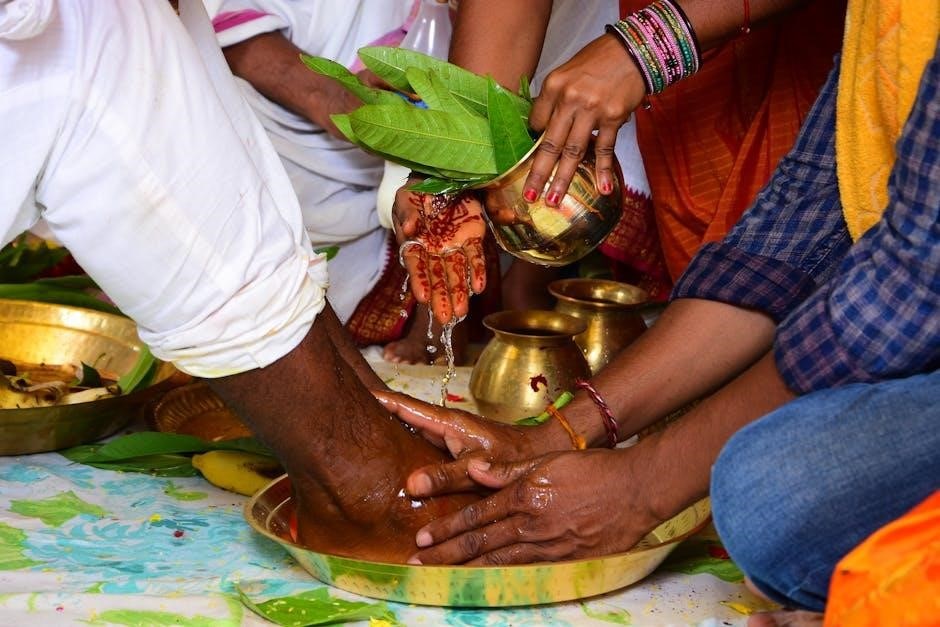
Sandhyavandanam in Telugu, published by the esteemed Jeeyar Educational Trust, represents a significant resource for devotees seeking to connect with this ancient Vedic ritual. The Trust’s publication provides a comprehensive and accessible version of the text, catering specifically to the needs of Telugu-speaking individuals.
Available as a downloadable PDF, this edition facilitates easy access and study of the Sandhyavandanam procedures. It’s meticulously prepared to ensure accuracy and clarity, aiding practitioners in performing the ritual correctly. The Trust’s commitment to preserving and promoting Vedic traditions is evident in this valuable publication, making it a cornerstone for those dedicated to spiritual practice.
This resource, added to the Internet Archive on May 1, 2024, is a testament to the Trust’s dedication to disseminating Vedic knowledge widely.
Internet Archive Resources
The Internet Archive serves as a valuable repository for Sandhyavandanam texts in Telugu, offering free access to digitized versions of important publications. Users can readily download PDFs of Sandhyavandanam, including editions from Vavilla Ramaswamy Sastrulu and Sons, facilitating study and practice.
The archive’s collection includes a Telugu version of Sandhyavandanam, added on May 1, 2024, with an item size of 8.6MB. This digital library provides a convenient platform for accessing and preserving Vedic literature, ensuring its availability for future generations. Researchers and devotees alike benefit from the archive’s commitment to open access.
Through features like borrowing and streaming, the Internet Archive democratizes access to these sacred texts, promoting the continued practice of Sandhyavandanam.

Key Components of Sandhyavandanam
Sandhyavandanam incorporates essential elements like Achamanam, Marjanam, and Pranayama, foundational practices detailed within Telugu PDF resources for proper execution.
Achamanam
Achamanam, a crucial purification rite within Sandhyavandanam, involves sipping water while chanting specific Vedic mantras. Telugu PDF guides meticulously detail the correct mantras and the prescribed sequence for performing Achamanam. This process symbolizes internal cleansing, removing impurities—both physical and spiritual—before commencing the core rituals.
Typically, Achamanam is performed three times, each accompanied by a distinct mantra invoking divine blessings and purification. The water is taken in the right hand and sipped three times, with specific hand gestures (mudras) often prescribed. PDF resources from sources like Jeeyar Educational Trust provide clear instructions on these hand positions.
Understanding the significance of each mantra and the precise method of sipping water is vital for the efficacy of Achamanam, as explained in the Telugu texts available online.
Marjanam

Marjanam, following Achamanam in Sandhyavandanam, is a ritual of external purification using water. Telugu PDF guides emphasize its importance in cleansing the body and mind, preparing the individual for deeper spiritual practice. It involves sprinkling water on oneself while reciting specific mantras, invoking the deities for purification and protection.
The mantras used during Marjanam vary depending on the Veda and tradition, and Telugu resources provide accurate transliterations and meanings. Typically, water is cupped in the hands and sprinkled over the head and body, symbolizing the washing away of sins and negative energies.
Detailed instructions within the PDFs, including those from Vavilla Ramaswamy Sastrulu and Sons, clarify the correct hand movements and mantra recitation for effective Marjanam.
Pranayama
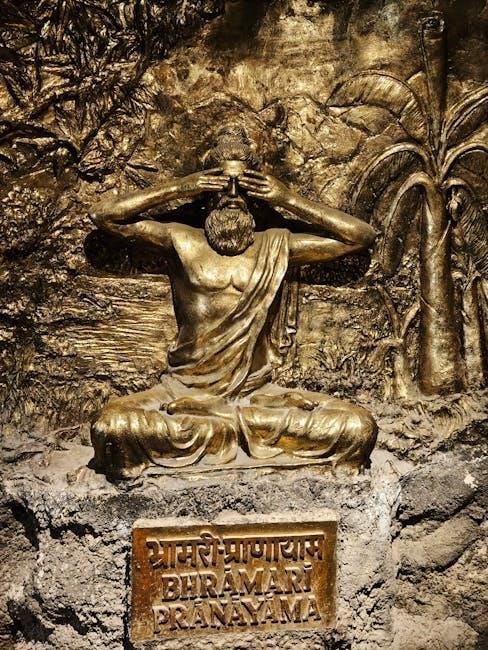
Pranayama, integral to Sandhyavandanam, involves controlled breathing exercises designed to purify the nadis (energy channels) and enhance prana (life force). Telugu PDF resources detail specific Pranayama techniques prescribed within the Vedic tradition, emphasizing their role in calming the mind and preparing for meditation.
These guides often illustrate the correct posture, hand positions (mudras), and breathing ratios for practices like Bhastrika, Kapalabhati, and Anulom Vilom. The benefits outlined include improved concentration, reduced stress, and increased vitality.
PDFs from sources like Jeeyar Educational Trust provide step-by-step instructions, ensuring practitioners perform Pranayama correctly and safely, maximizing its spiritual and physical benefits within the Sandhyavandanam ritual.
Sandhyavandanam for Kshatriyas
Sandhyavandanam practices for Kshatriyas, detailed in Telugu PDFs, include specific mantras and procedures differing from other varnas, emphasizing valor and duty.
Specific Practices for Kshatriya Varna
Sandhyavandanam for the Kshatriya varna, as detailed in Telugu PDF resources, incorporates unique elements reflecting their societal role. These PDFs, often sourced from traditional texts like those by Vavilla Ramaswamy Sastrulu and Sons, highlight mantras focused on strength, courage, and righteous governance.
Specific procedures may involve variations in tarpanam (offering libations) and the recitation of specific Vedic hymns. Kshatriyas traditionally emphasize the protection of dharma and the welfare of their communities, and their Sandhyavandanam reflects this. The downloadable PDFs from sources like the Jeeyar Educational Trust provide detailed guidance on these nuanced practices, ensuring adherence to ancient traditions. Understanding these distinctions is crucial for Kshatriyas seeking to perform Sandhyavandanam correctly, maintaining the integrity of their ancestral lineage and fulfilling their varna duties.
Differences in Procedures
Sandhyavandanam procedures, as outlined in Telugu PDF texts, exhibit variations based on varna (social order) and individual sutras (traditions). While the core components – achamanam, marjanam, and pranayama – remain consistent, subtle differences exist in mantra selection and the order of certain rituals.
PDF resources from the Internet Archive and Jeeyar Educational Trust often detail these nuances. For example, Kshatriyas may emphasize mantras invoking strength, while Brahmins focus on knowledge. These PDFs clarify distinctions in tarpanam offerings and the specific deities invoked. Understanding these procedural differences is vital for correct practice. The availability of detailed Telugu PDFs ensures practitioners can adhere to their specific lineage’s traditions, preserving the authenticity and efficacy of this sacred Vedic ritual.
Clarifications and Common Queries
Sandhyavandanam PDFs often address frequently asked questions, such as proper turning during Sayam Sandhyavandanam and the correct use of mudras in the ritual.
Turning During Sayam Sandhyavandanam
Sandhyavandanam Telugu PDF resources frequently address the question of turning during Sayam Sandhyavandanam, a point of common inquiry for practitioners. The practice involves specific directional turns while reciting mantras, and understanding the correct procedure is crucial for accurate performance.
Many downloadable texts, including those available on the Internet Archive, offer detailed explanations and visual guides to clarify these turns. These PDFs often emphasize the importance of facing specific directions – typically East, South, West, and North – during different parts of the ritual.
The purpose of these turns is symbolic, representing a connection with the different realms and energies of the universe. Correct execution, as detailed in the Telugu PDFs, ensures the devotee’s alignment with these energies and the proper completion of the Sayam Sandhyavandanam practice.
Mudras in Sandhyavandanam
Sandhyavandanam Telugu PDF guides dedicate significant attention to the correct execution of mudras – hand gestures – integral to the ritual. These mudras aren’t merely symbolic; they are believed to channel energy and focus the mind during mantra recitation.
Resources like those from the Jeeyar Educational Trust and Vavilla Ramaswamy Sastrulu and Sons editions detail specific mudras for each stage of Sandhyavandanam. PDFs often include illustrations demonstrating the precise hand positions, finger placements, and overall posture required.
Understanding these mudras is vital for achieving the full benefits of the practice. The Telugu PDFs emphasize that incorrect mudras can diminish the ritual’s efficacy, so careful study and practice are encouraged for all devotees seeking a deeper connection.