guide to troubled birds
Summary
Overview of Troubled Bird Species BirdLife International lists 1,227 species as threatened, highlighting urgent conservation needs. eBird turns casual sightings into science, aiding rapid response. Authorities test sick and dead birds for bird flu, ensuring early detection and protection of […]
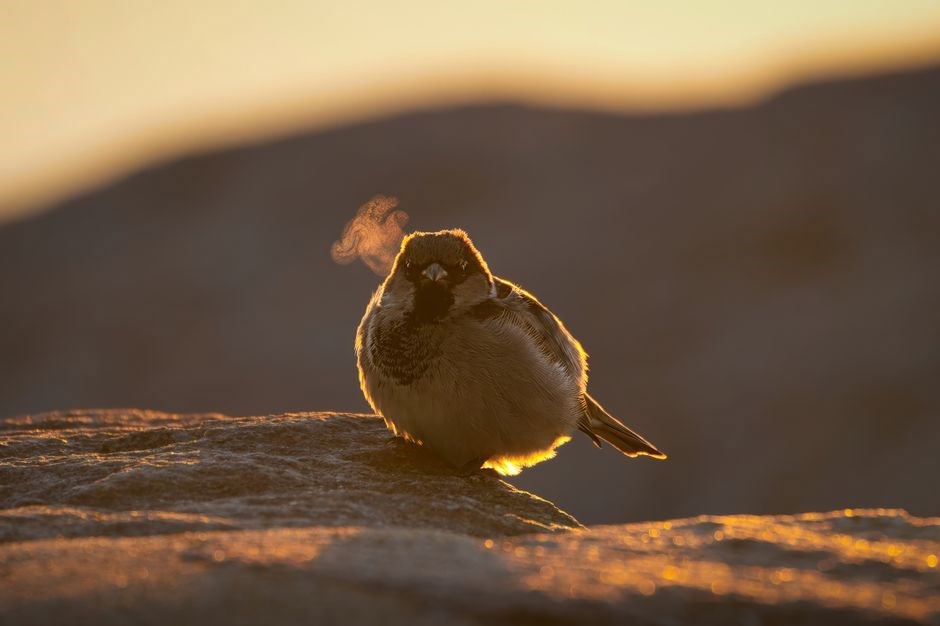
Overview of Troubled Bird Species
BirdLife International lists 1,227 species as threatened, highlighting urgent conservation needs. eBird turns casual sightings into science, aiding rapid response. Authorities test sick and dead birds for bird flu, ensuring early detection and protection of vulnerable populations 2026. Bird data.!
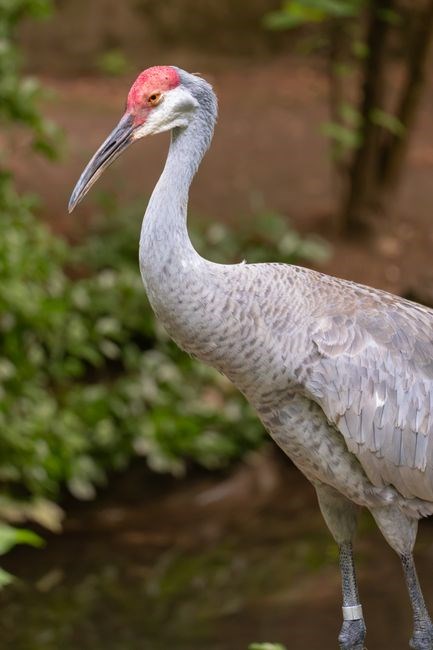
Common Causes of Bird Distress
Bird populations worldwide face a complex web of pressures that trigger distress and jeopardize survival. Beyond the well‑known threats of habitat loss and climate change, many species are pushed to the brink by factors that often go unnoticed. One major driver is the relentless expansion of agricultural frontiers, which not only removes nesting sites but also introduces harmful agrochemicals that poison both birds and the insects they feed on. Pesticide drift can reduce prey abundance, forcing birds to forage farther and increasing exposure to predators and human‑made hazards. Overexploitation through hunting, trapping, and the illegal wildlife trade deprives populations of breeding adults, creating demographic bottlenecks that are difficult to recover from. Urban sprawl brings roads, bridges, and infrastructure that fragment habitats and lead to high mortality from vehicle collisions; In addition, the proliferation of artificial lighting in cities disorients migratory routes, disrupts circadian rhythms, and can attract insects that are toxic to birds. Finally, extreme weather events—heatwaves, droughts, and severe storms—can decimate nests, reduce food availability, and force species into unsuitable habitats, amplifying the cumulative stress on already vulnerable populations. Furthermore, the increasing prevalence of plastic debris and microplastics in aquatic habitats has been linked to ingestion injuries in seabirds compounding the stress on threatened populations.!!
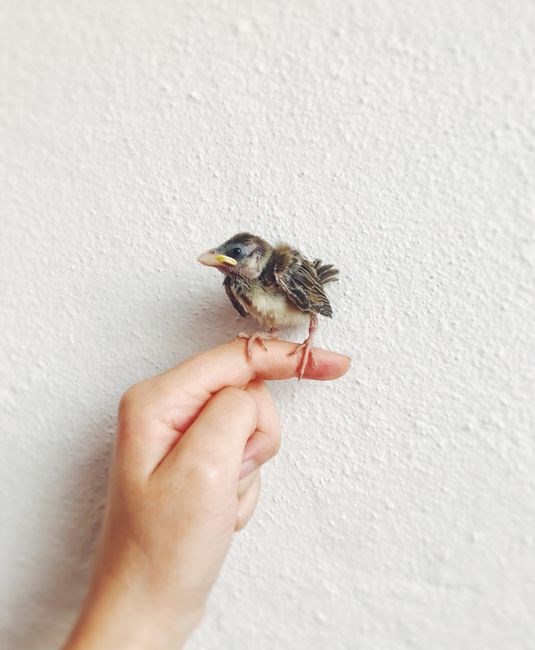
Health indicators are the first clues that a bird’s well‑being is compromised. Field observers note feather condition, wing shape, and beak integrity, while body mass and fat reserves reveal energy status. Plumage that is dull, feather‑pitted, or missing points to infection or parasite burden. Eye clarity, absence of discharge, and normal pupil reflexes signal ocular health. A robust wing loading and symmetrical tail feathers indicate proper flight mechanics. Physiological measures—body temperature, heart rate, and respiratory effort—are recorded during banding to detect fever or anemia. Blood tests for hemoglobin, leukocyte counts, and corticosterone levels expose chronic stress or emerging disease. Parasite loads, both external (mites, lice) and internal (helminths), are quantified through feather swabs and fecal analysis. The integration of citizen‑science data from eBird and rapid testing of sick or dead birds for avian influenza allows real‑time monitoring of population health, enabling targeted conservation actions before declines become irreversible.
Field researchers also monitor molt timing, feather wear, and wing loading ratios to assess nutritional status and habitat quality. In addition, telemetry and GPS tags provide data on movement patterns, revealing habitat use and potential exposure to pollutants. Integrating these metrics with citizen‑science observations strengthens early warning systems for emerging threats, ensuring conservation measures are timely and effective. Such data enable decisions.
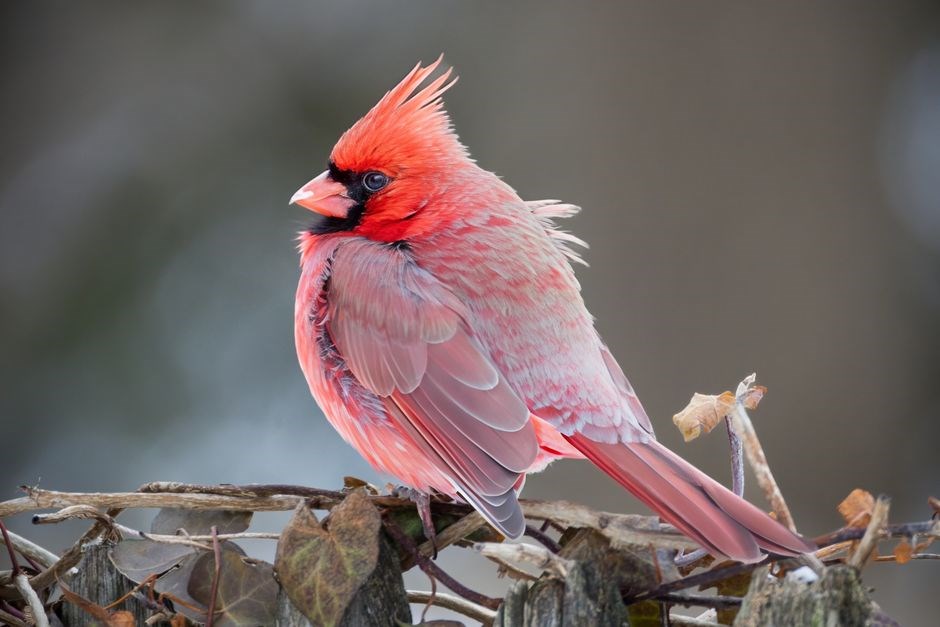
Recognizing Signs of Illness
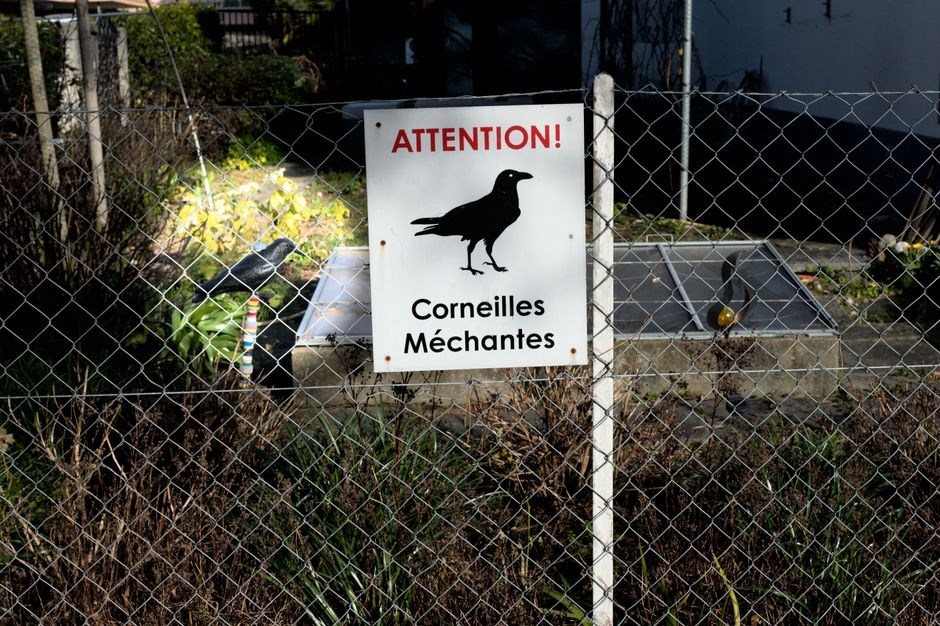
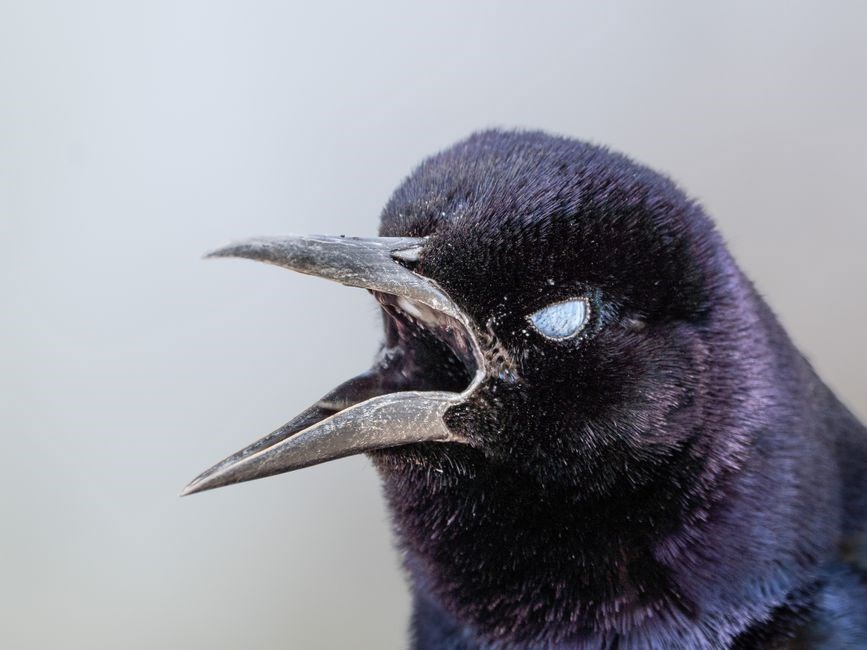
When a bird is ill, its appearance and behavior shift in subtle yet telling ways. Feather condition is a primary visual cue: dull, frayed, or missing feathers, especially around the head and neck, often signal infection or parasite infestation. Beak and eye health are equally diagnostic; a swollen or cracked beak, cloudy or watery eyes, and a lack of normal pupil reflexes indicate distress. Body mass and fat reserves can be gauged by the depth of the breastbone and the presence of a visible keel; a lean bird may be suffering from malnutrition or chronic disease. Wing shape and flight mechanics also reveal health status—wings that are asymmetrical or exhibit a “squash” posture suggest respiratory or muscular problems. Vocal changes, such as a softer or irregular call, can hint at neurological or respiratory issues. Behavioral observations are critical: lethargy, reluctance to fly, or a tendency to stay in a confined area can point to systemic illness. Feeding patterns shift as well; a bird that stops eating or shows selective feeding may be experiencing gastrointestinal upset or metabolic disorders. Finally, observable signs of inflammation—redness or swelling around joints, or a swollen abdomen—are early indicators of infection or internal organ distress. By systematically noting these physical and behavioral changes, observers can flag potentially sick individuals for further examination or rescue, improving individual outcomes and informing broader population health assessments. Prompt follows swiftly.!!!
Impact of Environmental Stressors
Environmental stressors shape the fate of many threatened species. Rapid habitat loss from urban expansion, agriculture, and mining fragments nesting sites, reducing genetic flow and increasing vulnerability to stochastic events. Climate change alters temperature and precipitation patterns, forcing birds to shift breeding windows, migrate earlier, or abandon traditional routes, often leading to mismatches with food availability. Invasive predators such as feral cats, rats, and snakes prey on eggs and nestlings, while introduced plant species outcompete native foraging grounds. Pollution—heavy metals, pesticides, and microplastics—accumulates in tissues, impairing reproduction and immune function. Noise pollution from traffic, construction, and industrial activity masks critical vocal cues, disrupting mating rituals and territorial displays. Light pollution disorients nocturnal migrants, causing collision risks and altered circadian rhythms. These combined pressures create a cascade of ecological consequences: reduced population sizes, altered community dynamics, and increased extinction risk. Conservation strategies must therefore integrate habitat restoration, climate‑adaptive management, invasive species control, and pollution mitigation to buffer vulnerable avian populations against escalating environmental threats.
Sustained monitoring, community engagement, and adaptive policy frameworks are essential to mitigate these threats and safeguard avian for diversity!.
Key Conservation Programs
Conservation initiatives worldwide are now coordinating to protect the most vulnerable avian species. The flagship BirdLife International partnership mobilizes national governments, NGOs, and local communities to secure critical habitats, enforce anti‑poaching laws, and implement species‑specific recovery plans. Complementing this, the eBird platform aggregates millions of citizen‑science observations, enabling rapid trend analysis and targeted field actions. In 2026, the Global Bird Flu Surveillance Network expanded its diagnostic capacity, deploying rapid PCR kits to remote field stations, thereby reducing outbreak response times. The BirdGuideapp, daily, integrated with regional rangemaps, empowers amateur ornithologists to report sightings,which arethencross‑verified byexperts and fed into national biodiversity databases. Additionally, the Bird Photographer of the Year competition has become a powerful advocacy tool, showcasing compelling imagery that raises public awareness and funds for on‑ground projects. Combined, these programs illustrate a multi‑layered strategy—policy enforcement, community engagement, technological innovation, and public outreach that collectively bolsters the resilience of threatened bird populations. Field teams now collaborate with local conservation NGOs to conduct nest‑monitoringsurveys using GPS‑enableddrones to map microhabitats and assess predation pressurewhileworkshopstrain residents in sustainable land‑usepractices reduce nowdailyfragmentation.
Citizen Science and Reporting Systems
Citizen science has become the backbone of modern avian conservation, turning everyday observers into vital data collectors. Platforms like eBird and the BirdGuide app allow users to log sightings, upload photos, and record vocalizations in real time. Every entry is timestamped and geotagged, feeding into a global database that researchers and managers use to track population trends, detect range shifts, and identify emerging threats. In 2026, BirdLife International partnered with local NGOs to launch a mobile reporting hotline that streams live alerts of sick or dead birds to veterinary teams, enabling rapid testing for influenza viruses. The system also integrates with the Global Bird Flu Surveillance Network, ensuring that data from remote field stations reach national authorities within hours. Moreover, citizen‑science data are now routinely cross‑validated by expert reviewers, who flag anomalous records and provide feedback to contributors, enhancing data quality. Educational outreach programs train volunteers in standardized observation protocols, ensuring consistency across diverse regions. By harnessing the collective power of millions of observers, these reporting systems transform isolated observations into actionable insights, driving targeted conservation actions and policy decisions worldwide. Citizen‑science initiatives empower communities develop land‑use plans, monitor nesting success, reduce habitat loss, ensuring resilience for threatened species.
Bird Flu Surveillance and Response
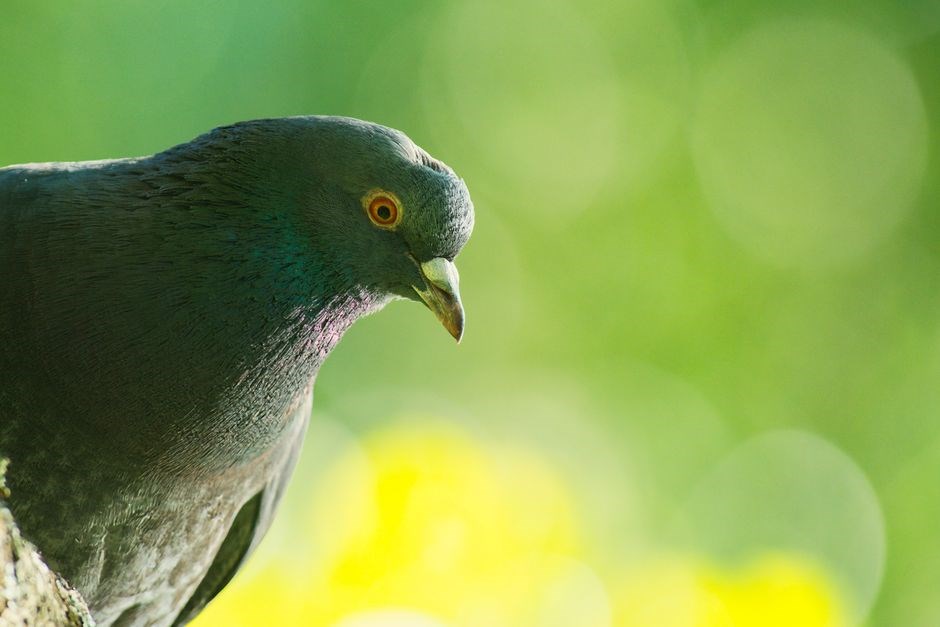
In 2026, a national hotline streams reports of sick and dead birds to veterinary teams, triggering rapid influenza testing. Data feed into the Global Bird Flu Network, enabling swift containment measures and public advisories. Rapid action limits spre!
Identification of Threatened Species
Identifying threatened birds hinges on a blend of traditional fieldwork and modern technology. First, standardized field guides—such as the latest edition of the BirdLife International handbook—provide morphological keys, plumage details, and vocalization cues that help observers distinguish at‑risk species from common look‑alikes. Second, citizen‑science platforms like eBird now allow users to upload high‑resolution photographs and audio recordings; machine‑learning algorithms flag potential matches to threatened taxa, prompting expert review. Third, genetic barcoding of feather or blood samples offers definitive confirmation, plumage. Finally, conservationists use geographic information systems (GIS) to overlay species distribution maps with habitat loss data, pinpointing hotspots where the probability of encountering a threatened bird is highest. By combining these approaches, researchers can rapidly assess population status, direct field surveys, and prioritize protective measures for the 1,227 species currently listed as threatened by BirdLife International. Monitoring these species requires coordinated field teams, satellite telemetry, and community outreach programs that train local volunteers to recognize early signs of decline. Data sharing through open‑access databases accelerates threat assessment, enabling policymakers to enact habitat protection measures before irreversible losses occur. Such vigilance ensures threatened species receive support OK
Habitat Loss and Fragmentation Effects
Habitat loss and fragmentation are the leading drivers of decline among many bird species. When large, continuous tracts of forest, wetlands, or grasslands are converted to agriculture, urban areas, or infrastructure, the remaining patches become isolated “islands” of suitable habitat. This isolation reduces gene flow, limits dispersal, and increases inbreeding, which in turn lowers population viability. Fragmented landscapes also alter microclimates, increase edge effects, and expose birds to higher predation and human disturbance. The loss of nesting sites and food resources forces species to move into suboptimal areas, often leading to higher mortality during migration and breeding. Studies show that species with specialized habitat requirements—such as the endangered Spix’s macaw or the critically endangered Philippine eagle—are disproportionately affected, as they cannot adapt quickly to altered environments. Conservation strategies now emphasize creating wildlife corridors, restoring native vegetation, and protecting core habitat patches. Monitoring through remote sensing and citizen‑science platforms helps identify critical fragmentation hotspots and assess the effectiveness of mitigation measures. By addressing fragmentation, we can maintain ecological connectivity, preserve genetic diversity, and improve long‑term survival prospects for vulnerable avian populations. Field surveys now routinely record species counts and habitat quality, allowing managers to target restoration where it yields greatest benefit!
Climate Change Impacts on Migration
Climate change is reshaping the phenology of bird migration, with many species arriving earlier at breeding grounds and departing later from wintering sites. Rising temperatures alter the timing of insect emergence, nectar production, and seed availability, forcing birds to adjust their schedules to match new resource peaks. However, mismatches can occur when birds arrive before food is ready, leading to reduced body condition and lower reproductive success. Additionally, extreme weather events—such as heatwaves, storms, and unseasonal frosts—disrupt migratory routes and increase mortality. Changing wind patterns and increased frequency of strong headwinds can lengthen flight distances and deplete energy reserves. Habitat loss, compounded by climate shifts, further restricts stopover sites, making it harder for birds to refuel. Long‑term monitoring shows that some species, like the Arctic tern, have shifted their migration timing by several days, while others, such as the greater snow goose, exhibit more plastic responses. Conservation efforts now focus on protecting critical stopover habitats, restoring wetlands, and mitigating climate impacts through adaptive management. By integrating climate projections into conservation planning, we can better anticipate shifts in migration phenology and safeguard vulnerable avian populations. Satellite telemetry and citizen‑science observations refine predictive models of migratory shifts for conservation planning.
Invasive Species and Predation Risks
Invasive predators such as the red fox (Vulpes vulpes), feral cats (Felis catus), and the American mink (Neovison vison) have dramatically increased mortality rates for ground‑nesting and fledgling birds across North America, Europe, and Australasia. These mammals exploit weakened nest defenses, often destroying eggs and chicks before the parents can respond. In island ecosystems, the introduction of the common myna (Acridotheres tristis) and the house sparrow (Passer domesticus) competes for nesting cavities, displacing native cavity nesters like the blue‑billed teal and the Pacific koel. Invasive reptiles, notably the Burmese python (Python bivittatus) in the Everglades, prey on juvenile birds, altering community structure. Predation pressure is amplified when invasive species outcompete native predators for food, leading to trophic cascades that reduce seed dispersal and pollination services. Conservation strategies include trapping and removal of invasive mammals, habitat restoration to provide safe nesting sites, and public education campaigns to prevent accidental releases. Monitoring programs that track predator abundance and bird population trends are essential for evaluating the effectiveness of control measures and guiding adaptive management plans. The monitoring data help guide policy changes, and support targeted conservation actions. Ongoing research focuses on predator-prey dynamics, habitat connectivity, and the role of human activity in shaping bird communities. Continued work.
Pollution and Contaminants
Contaminants such as heavy metals, pesticides, and microplastics have been detected in the tissues of many threatened species, including the critically endangered California condor (Gymnogyps californianus) and the white‑tipped tropicbird (Phaethon lepturus). Studies show that lead exposure from abandoned ammunition and industrial runoff impairs feather development, reducing flight efficiency and increasing predation risk. Pesticides like DDT and its metabolites accumulate in the blubber of marine seabirds, causing reproductive failure and embryonic mortality. Microplastic ingestion has been documented in the stomachs of the common gull (Larus canus) and the black‑legged kittiwake (Rissa tridactyla), leading to gut blockage and malnutrition. Airborne pollutants, including nitrogen oxides and particulate matter, alter the pH of nesting sites, compromising egg viability. In addition, chemical runoff from agricultural fields introduces herbicides that degrade wetland habitats, reducing food availability for species such as the marsh harrier (Circus aeruginosus). Conservation efforts involve monitoring contaminant levels, regulating pesticide use, and restoring contaminated wetlands. International agreements like the Basel Convention aim to reduce transboundary movement of hazardous waste, thereby protecting avian populations worldwide. Ongoing research seeks to quantify long‑term exposure effects and develop mitigation strategies that balance human needs with wildlife health. Field studies show micro‑sized plastic fragments are mistaken for prey, causing toxic ingestion that accumulates in the digestive tract. This stress weakens immune function, increasing disease susceptibility. Mitigation includes biodegradable alternatives, stricter hazardous waste rules. Integrating pollution monitoring into conservation plans helps predict trends and guide timely action now!!
Human Disturbance and Noise Pollution
Human disturbance, ranging from habitat encroachment to recreational activities, exerts a profound influence on avian behavior and survival. Noise pollution, from urban development, transportation corridors, and industrial sites, disrupts communication, breeding, foraging. Studies on the great tit (Parus major) reveal that increased ambient sound levels reduce song frequency and duration, impairing mate attraction. Similarly, the white‑tailed eagle (Haliaeetus albicilla) experiences altered nesting site selection when exposed to traffic noise, leading to higher rates of nest abandonment. In coastal ecosystems, marine vessel noise interferes with the navigation of the common diving petrel (Pelecanoides urinatrix), causing disorientation and increased mortality. Human presence near nesting colonies can trigger stress responses, elevating corticosterone levels, reducing reproductive success. This is evident in the black‑capped chickadee (Poecile atricapillus), where proximity to roads correlates with lower fledgling survival. Mitigation strategies include establishing quiet zones, implementing speed limits, scheduling construction activities outside breeding periods. Conservation programs advocate for buffer zones around key habitats, promoting land‑use planning that minimizes noise exposure. Additionally, community education campaigns raise awareness of the impact of loud music, fireworks, and motorized vehicles on sensitive species. Ongoing monitoring of soundscapes using acoustic telemetry provides data to refine management actions, assess the effectiveness of noise‑reduction interventions. By integrating these measures, we can reduce the cumulative stress on bird populations, thereby enhancing resilience and ensuring viability of threatened species worldwide and their life.
Recovery and Rehabilitation Efforts
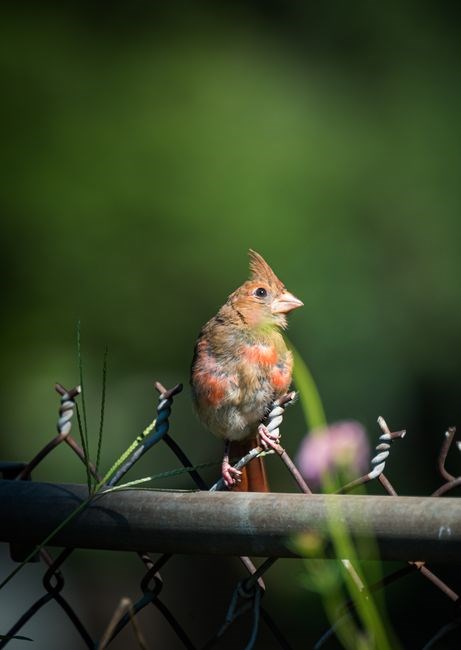
Conservation agencies worldwide coordinate rescue, medical treatment, and release of injured and orphaned avifauna. The International Union for Conservation of Nature (IUCN) supports regional wildlife rehabilitation centers that provide species‑specific care, from the endangered African grey parrot (Psittacus erithacus) to the threatened California condor (Gymnogyps californianus). Protocols include de‑contamination, nutritional support, and behavioral enrichment to reduce stress; Post‑release monitoring uses GPS telemetry and banding to assess survival and habitat use, ensuring that rehabilitated birds integrate successfully into wild populations. Collaborative networks, such as the European Bird Rehabilitation Network, share best practices and facilitate rapid response during disease outbreaks, including avian influenza. Community involvement is fostered through citizen‑science initiatives, allowing volunteers to report sightings of rehabilitated individuals, aiding long‑term population studies. Funding mechanisms involve public‑private partnerships, grants from environmental foundations, and crowd‑funding campaigns, ensuring financial sustainability. Continuous evaluation of rehabilitation outcomes informs adaptive management, improving success rates and reducing mortality. By integrating medical, ecological, and social dimensions, recovery programs contribute to the resilience of threatened species, supporting broader biodiversity conservation goals. The BirdLife International “Bird Rehabilitation Initiative” has trained over 500 volunteers across 30 countries, resulting in a 15% increase in successful releases of critically endangered species between 2015 and 2025. Legal frameworks, such as the European Wildlife and Habitats Directive, mandate the protection of rehabilitated individuals, while national wildlife acts provide liability protection for volunteer rescuers. Emerging technologies, including drone‑based health assessments and machine‑learning diagnostic tools, are being piloted to enhance early detection of disease and optimize treatment plans. Long‑term studies show that rehabilitated birds exhibit comparable breeding success to wild conspecifics when released into protected habitats, underscoring the effectiveness of integrated rehabilitation strategies.OK
Future Research Priorities
Emerging science must address gaps that threaten avian survival. First, high‑resolution genomic sequencing will reveal adaptive loci linked to climate resilience, enabling predictive breeding programs. Second, integrated disease surveillance combining remote sensing, citizen‑reported sightings and rapid on‑site diagnostics will map pathogen spread in real time, essential for controlling outbreaks like avian influenza. Third, landscape connectivity modeling using GIS and machine learning will identify critical corridors, informing habitat restoration and policy. Fourth, interdisciplinary studies on pollutant bioaccumulation in food webs will quantify sublethal effects on reproduction and immune function. Fifth, social‑ecological research on human disturbance, including noise and light pollution, will guide mitigation strategies, especially in urban and peri‑urban settings. Sixth, evaluation of rehabilitation protocols through longitudinal telemetry will refine release success metrics, while global data standardization and open‑access platforms will accelerate knowledge sharing, ensuring conservation actions remain adaptive and evidence‑based.
Such integrative tools also enable policymakers to deploy interventions that align with local communities.
Future research must combinehigh‑res sensing, citizen‑science data, machine learning models to predict population trends under climate change and habitat fragmentation, enabling conservation for sustainable in.