blanket guide for horses
Summary
Explore top-quality horse blankets with our comprehensive guide—tips on material, fit, and care to keep your equine friend cozy and stylish.
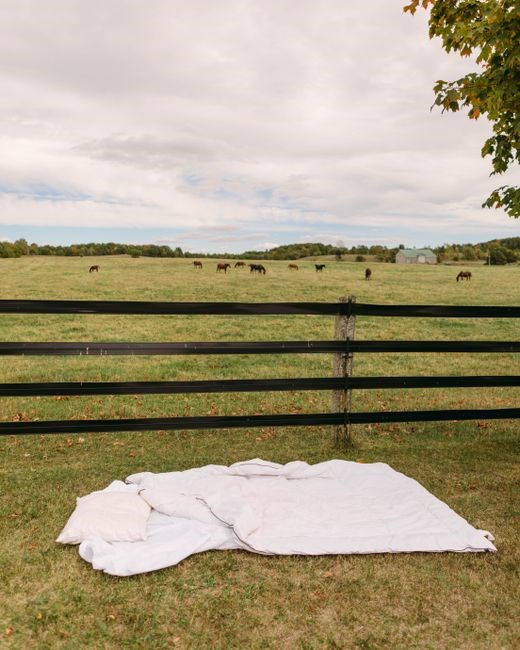
Discover why horse blankets are essential for comfort, protection, and performance. Learn how they shield against weather, reduce stress, and support muscle recovery. This guide outlines benefits, key considerations, and sets the stage for selecting the right blanket. It also aids in keeping the coat cleannow
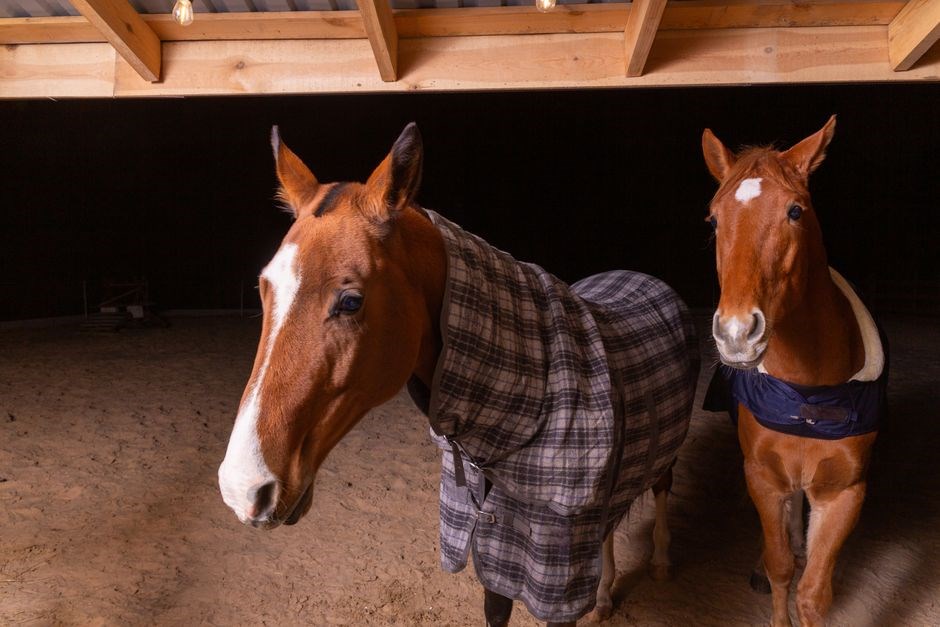
1.1 Why Use a Blanket?
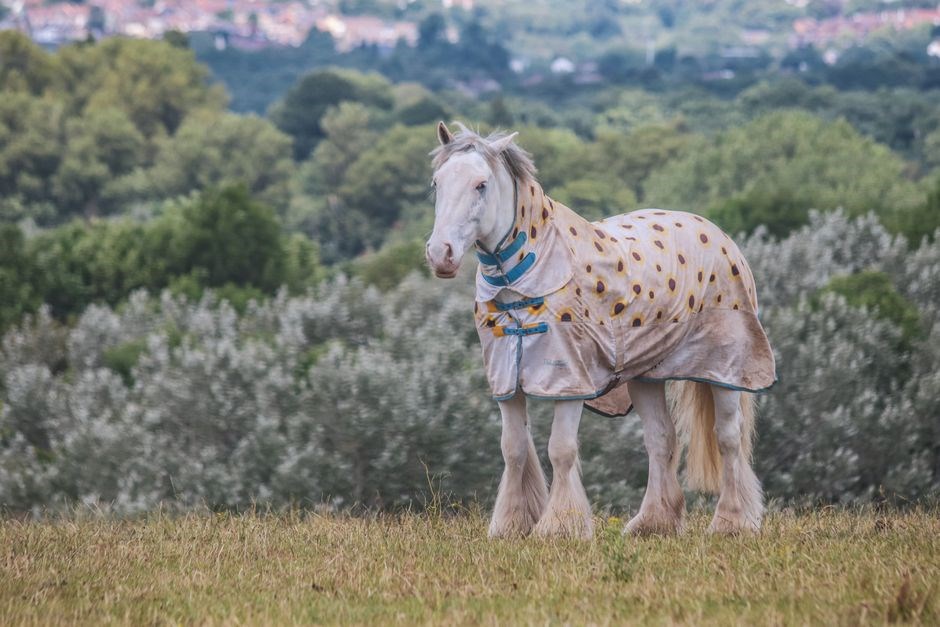
Blankets are more than a simple covering; they are a versatile tool that enhances a horse’s comfort, health, and performance across a wide range of environments. By providing a barrier against wind, rain, snow, and chilling drafts, a well‑chosen blanket helps maintain a stable core temperature, preventing the onset of hypothermia in cold weather and reducing the risk of respiratory irritation caused by dampness. In moderate climates, a lightweight sheet can shield the animal from sudden temperature drops at night, allowing the horse to conserve energy that would otherwise be spent on shivering, which in turn supports better weight maintenance and overall stamina. During hot summer months, breathable fly sheets and cooling blankets protect against biting insects, ultraviolet rays, and overheating, decreasing stress and skin irritation while still permitting airflow to avoid sweat accumulation. For horses recovering from injury or surgery, a snugly fitted blanket offers gentle compression that can improve circulation, reduce swelling, and provide a sense of security that eases anxiety. In transport situations, blankets protect against drafts within trailers and help keep the animal calm during long journeys. Additionally, a blanket can keep dust and mud off the coat, preserving the natural oils that contribute to a glossy, healthy mane and reducing the need for frequent heavy grooming. Overall, the strategic use of appropriate blankets supports physiological balance mental wellbeing and optimal performance throughout the year.
1.2 Overview of Blanket Types
Horse blankets come in a variety of designs, each engineered for a specific climate, activity level, or health need. The most common categories include winter blankets, which feature thick insulation layers such as fleece or Thinsulate to trap body heat; turnout blankets, which combine waterproof membranes with breathable fabrics to keep the animal dry while allowing moisture to escape; stable sheets, lightweight and often quilted, intended for indoor use where protection from drafts is the primary goal. Summer options range from fly sheets, tightly woven to block insects yet remain airy, to cooling blankets that incorporate mesh panels or evaporative cooling gels for horses that overheat during intense work. Specialized blankets address medical concerns, including compression wraps that apply gentle pressure to aid circulation after injury, and therapeutic blankets infused with herbal or mineral fibers for skin health. Some products are hybrid, offering detachable liners so the same outer shell can serve both cold and milder conditions. Fastening systems vary as well, with traditional buckles, Velcro straps, and quick‑release clips designed for easy adjustment and secure fit. Understanding the purpose, material composition, and typical temperature rating of each type helps owners match the blanket to the horse’s environment and workload, ensuring optimal comfort without unnecessary weight or overheating.Manufacturers often add color‑coded options and reflective stitching for easy identification, low‑light visibility.
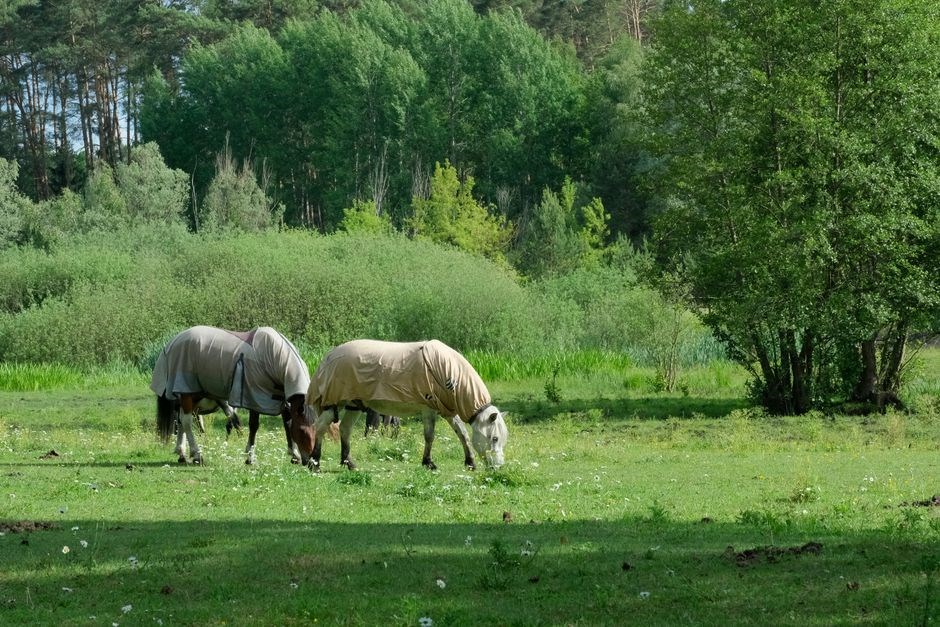
Selecting the Proper Size
Measure chest, neck, and length. Add 2–3 inches for movement. Check manufacturer’s chart, adjust for gait. Fit snug but not tight. Test by walking; ensure no chafing. Proper sizing prevents heat loss and injury.Always double‑check measurements and adjust for seasonal changes.
2.1 Measuring Your Horse Accurately
Accurate measurements are the foundation of a well‑fitting blanket, and a systematic approach reduces guesswork. Begin by calming the horse in a familiar stall or paddock, then use a flexible, non‑stretchable tape measure. Measure the chest girth at the point just behind the front elbows, wrapping the tape snugly but without compressing the skin. Record this number to the nearest half‑inch or centimeter. Next, measure the neck circumference at the midpoint between the jaw and the poll, again ensuring the tape lies flat against the skin. For length, place the tape at the withers, run it down the spine to the point where the tail begins, and note the distance. If the blanket includes a tail‑gate or rear panel, add an extra 2–3 inches to accommodate movement. Height is measured from the ground to the highest point of the withers; a simple measuring stick or a calibrated pole works well. When measuring the back width, position the tape across the ribs at the widest point, usually just behind the shoulder blades. Take each measurement twice, preferably on different days, to confirm consistency. Write all figures in a notebook or a digital file, labeling each dimension clearly. Finally, compare your recorded numbers with the manufacturer’s size chart, remembering that most brands recommend adding a small allowance for breathing and gait. By following these steps, you create a reliable data set that will guide the selection of a blanket that stays secure without restricting motion. Note the date and weather, reference today.
2.2 Fit Guidelines and Adjustment Tips
Proper fit is the cornerstone of blanket performance and horse safety. Begin by laying the blanket on a flat surface and aligning the front edge with the horse’s withers; the top of the neck strap should sit just behind the poll, allowing a finger’s width of clearance. The chest girth strap must be snug enough to prevent slipping yet loose enough to let the ribs expand during breathing and movement—typically a two‑finger gap is ideal. When fastening the belly strap, pull it tight enough that the blanket follows the contour of the barrel without creating folds that could chafe. The back strap should be adjusted so the blanket sits evenly across the spine, with the rear edge ending a few centimeters above the tail base to avoid interference with the tail’s natural swing. Check the tail‑gate or rear panel for a slight overlap of 1–2 inches, ensuring it does not press against the tail. Leg openings must provide at least an inch of clearance; if the horse’s legs rub the fabric, trim excess material or use leg sleeves. After the initial fit, walk the horse in a controlled area, observing for any shifting, pinching, or restricted motion. Re‑adjust straps as needed, remembering that a snug fit at rest may become tighter when the horse moves, so a small amount of slack is beneficial. Regularly reassess strap tension after each ride, as muscles expand and the blanket may shift, tightening or loosening; a quick visual check ensures comfort and prevents chafing, while professional fitting guarantees performance OK.
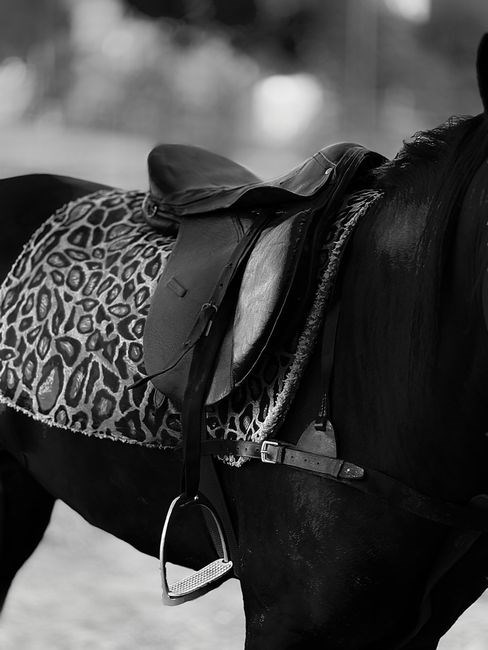
Materials and Construction
Materials shape blanket performance. Wool offers breathability and warmth; synthetic blends add durability and moisture control. Features like reinforced seams, adjustable straps, and breathable fabrics keep the horse comfortable and protected. Ideal for all seasons.!!!!!
3;1 Common Fabrics (Fleece, Canvas, etc.)
Fleece, canvas, cotton, polyester, and hybrid blends each bring distinct benefits to a horse’s blanket. Fleece is lightweight, highly breathable, and offers excellent moisture‑wicking properties, making it ideal for warm climates or active work. Its natural elasticity keeps the blanket snug without restricting movement. Canvas, on the other hand, is a heavy‑weight cotton or cotton‑blend fabric that delivers superior durability and a classic look. It resists tearing, can be machine‑washed, and provides a sturdy base for added insulation layers. Cotton blankets are prized for their softness and natural breathability; they absorb sweat well but may dry slowly, so they are best used in mild conditions or as a base layer. Polyester fabrics are engineered for strength and water resistance; they dry quickly, resist mildew, and can be treated with antimicrobial finishes to keep the horse’s skin healthy. Hybrid blends combine the best of each world—such as a polyester‑fleece mix that offers both moisture control and structural integrity. When selecting a fabric, consider the horse’s activity level, the climate, and the desired balance between comfort, weight, and longevity. Proper construction—double‑stitched seams, reinforced corners, and adjustable straps—ensures the blanket stays in place and protects vulnerable areas. Each material’s unique texture also influences how the blanket feels against the horse’s skin, so a tactile test is essential before purchase. By understanding these fabrics, riders can choose a blanket that fits their horse’s needs and enhances well‑being overall!.
3.2 Waterproofing, Breathability, and Insulation
Choosing a blanket that balances waterproofing, breathability, and insulation is crucial for a horse’s comfort and health. A waterproof outer layer—often made from treated polyester or a laminated membrane—prevents rain and mud from soaking the horse’s skin while still allowing sweat to evaporate through micro‑porous vents. Breathable fabrics such as engineered fleece or cotton blends with moisture‑wicking technology pull sweat away from the body, reducing the risk of heat stress and skin irritation. Insulation layers, typically made from synthetic down or natural fibers, trap body heat without adding excessive weight, keeping the horse warm during cold nights or early mornings. Modern blankets often combine these features in a tri‑layer design: a waterproof shell, a breathable mid‑layer, and an insulating core. Adjusting the thickness of each layer allows riders to tailor the blanket to seasonal changes. Proper seam construction—double stitching and sealed edges—ensures that water does not seep in, while ventilation slits or mesh panels maintain airflow. Regular inspection of seams and fasteners is essential, as damaged waterproofing can compromise the blanket’s performance. By understanding how each element works together, owners can select a blanket that protects against the elements while promoting natural thermoregulation, ultimately enhancing the horse’s overall well‑being. This comprehensive approach ensures that every blanket choice supports optimal performance, health, and comfort, allowing riders to focus on training and bonding confidence.
Seasonal and Specialty Blankets
Horses benefit from blankets tailored to seasonal shifts and unique requirements. These covers balance warmth, moisture management, and airflow, adapting to temperature changes while protecting against insects, injuries, or travel stress, ensuring comfort year-round!!!
4.1 Winter Blankets and Insulated Options
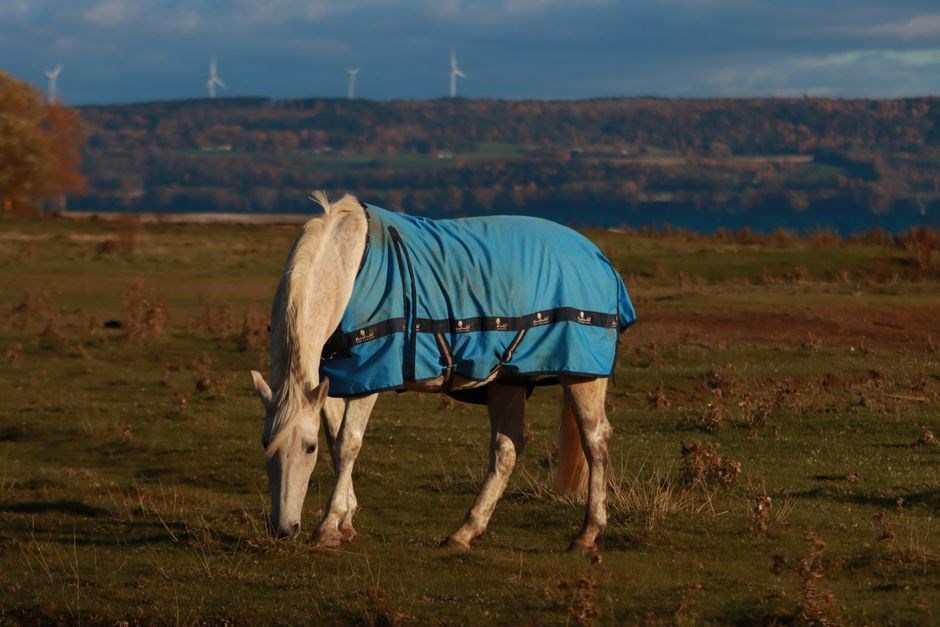
When temperatures drop, a horse’s body temperature can fall below the optimal range, especially if the animal is light‑coated, has a thin body, or is exposed to wind and rain. A well‑designed winter blanket keeps the animal’s core heat in while preventing moisture from seeping in. The ideal winter blanket is a layered system: a breathable inner lining that wicks sweat, a mid‑layer of insulating material such as fleece or down, and an outer shell that resists wind and water. The inner layer should be made from a moisture‑wicking fabric like polyester or a nylon blend; this keeps the horse dry and reduces the risk of skin irritation. The insulating layer can be a dense fleece or a lightweight down alternative; the choice depends on the horse’s body condition and the severity of the cold. Down offers excellent warmth per pound but can be heavy and costly, while fleece is lighter, easier to clean, and still provides substantial insulation. The outer shell should be waterproof or at least water‑repellent, with a durable seam construction that can withstand repeated use. Many manufacturers now incorporate a breathable membrane that allows vapor to escape while blocking liquid water, which is crucial for preventing heat buildup and sweat accumulation. Proper fit is essential; a blanket that is too tight can restrict breathing and circulation, while one that is too loose can allow wind to penetrate. Adjustments should be made at the neck, with, and hindquarters, and the blanket should be secured with straps or Velcro that can be tightened without cutting the horse’s skin. In addition to the core blanket, a windbreak or a hood can be added for extra protection against gusty conditions. When selecting a winter blanket, consider the horse’s age, health status, and the typical weather patterns of your region. A well‑insulated blanket can reduce the risk of hypothermia, colic, and respiratory infections, while also improving performance by keeping the animal’s muscles warm and ready for work. Always inspect the blanket for holes, frayed edges, and signs of wear before each use, and replace it promptly if it no longer provides adequate protection. With the right combination of materials, fit, and maintenance, a winter blanket becomes an indispensable tool for any horse owner facing cold weather.
4.2 Summer Sheets, Fly Sheets, and Cooling Blankets
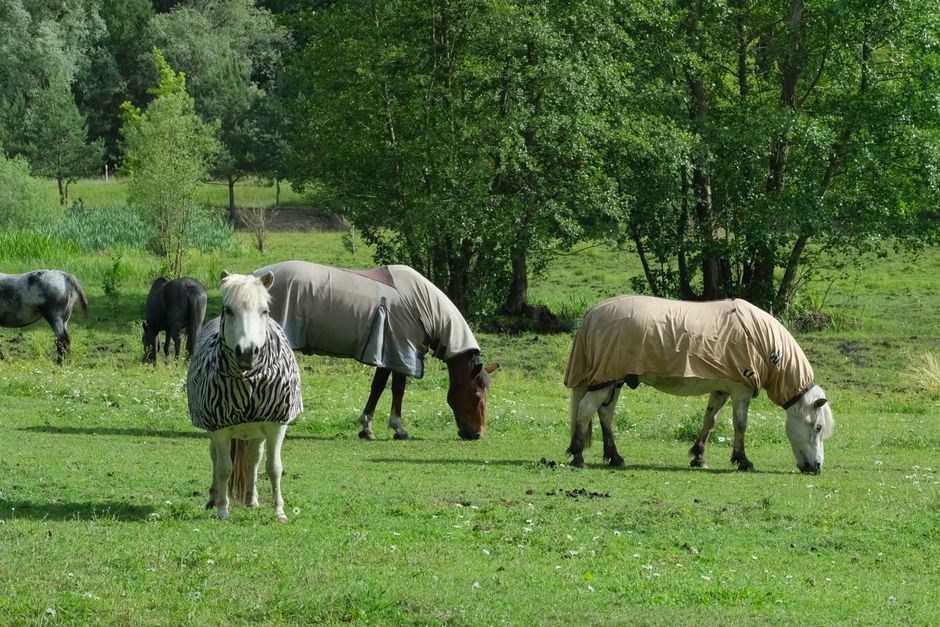
Summer months bring heat, sweat, and insects that can stress a horse’s skin and performance. A lightweight summer sheet offers breathability, allowing air to circulate while protecting the coat from sunburn and minor abrasions. Fly sheets, designed with fine mesh, create a barrier against flies, mosquitoes, and other biting insects, reducing irritation and preventing fly strike. They are particularly useful during intense workouts or in hot climates. When choosing a summer sheet, look for a breathable, UV‑protected material that dries quickly. Fly sheets should have a tight weave and a secure fit to prevent gaps where insects could enter. Cooling blankets can be used alone or layered over a fly sheet for maximum protection. Proper fit is essential; a sheet that is too loose can flutter in the wind, while one that is too tight may restrict movement or cause chafing. Adjust straps or Velcro to accommodate the horse’s neck, with, and hindquarters. After use, rinse or wash the sheet to remove sweat, dirt, and insect residues, then dry it in shade to preserve its integrity. Regular inspection for tears, frayed edges, or lost fasteners ensures continued effectiveness and safety. By combining a breathable summer sheet, a protective fly sheet, and a cooling blanket when needed, owners can keep horses comfortable, healthy, and ready for performance throughout the hot season. Lorem ipsum dolor sit amet, consectetur adipiscing elit. Lorem ipsum dolor sit amet, consectetur adipiscing elit. Lorem ipsum dolor sit amet, consectetur adipiscing elit. Lorem ipsum dolor sit amet, consectetur adipiscing elit. Lorem ipsum dolor sit amet, consectetur adipiscing elit. Lorem ipsum dolor sit amet, consectetur adipiscing elit. Lorem ipsum dolor sit amet, consectetur adipiscing elit. Lorem ipsum dolor sit amet, consectetur adipiscing elit. Lorem ipsum dolor sit amet, consectetur adipiscing elit. Lorem ipsum dolor sit amet, consectetur adipiscing elit. Lorem ipsum dolor sit amet, consectetur adipiscing elit. Lorem ipsum dolor sit amet, consectetur adipiscing elit. Lorem ipsum dolor sit amet, consectetur adipiscing elit. Lorem ipsum dolor sit amet, consectetur adipiscing elit. Lorem ipsum dolor sit amet, consectetur adipiscing elit. Lorem ipsum dolor sit amet, consectetur adipiscing elit. Lorem ipsum dolor sit amet, consectetur adipiscing elit; Lorem ipsum dolor sit amet, consectetur adipiscing elit. Extra filler text here!!!123!ab
Care, Maintenance, and Safety
Proper care ensures longevity and safety. Wash blankets after each use, rinse off sweat and dirt, then air‑dry in shade. Store in a dry, ventilated area to prevent mildew. Inspect regularly for tears, frayed edges, or loose fasteners. Repair promptly to avoid injury Keep blankets dry to extend life daily now
5.1 Cleaning, Drying, and Proper Storage
After each use, remove the blanket from the horse, shake off excess moisture, and rinse it in cool water to eliminate sweat, dirt, and any residual chemicals. Then, wash it in a mild detergent at a temperature not exceeding 30°C (86°F) to preserve fabric integrity. Avoid bleach or fabric softeners, which can degrade fibers and reduce breathability. After washing, gently squeeze out excess water without wringing, as twisting can distort the blanket’s shape. Lay the blanket flat on a clean towel, roll it gently to absorb remaining moisture, and then hang it on a sturdy, well‑ventilated rack or a dedicated drying area away from direct sunlight. This prevents mildew growth and preserves color fastness. Once the blanket is completely dry, fold it loosely, avoiding tight creases that can trap dampness. Store blankets in a dry, cool, and dust‑free environment, preferably in a breathable storage bin or a mesh bag to allow airflow. Keep them off the ground to avoid moisture from the floor and away from direct heat sources such as radiators or heaters. Regularly inspect stored blankets for signs of mildew, mold, or pest infestation, and treat promptly with a safe, horse‑friendly disinfectant if necessary. By following these steps, you ensure the blanket remains clean, odor‑free, and ready for the next session, extending its lifespan and maintaining optimal hygiene for your horse.
Dry blankets thoroughly before storage and rotate them regularly to avoid uneven wear. A well‑maintained blanket protects your horse and extends its life ensuring comfort and safety all year.
5.2 Inspecting for Wear, Repairs, and Injury Prevention

Regular visual and tactile inspection of a horse blanket is the first line of defense against equipment‑related injuries. Begin each check by laying the blanket on a flat surface and examining every seam, strap, and fastener for fraying, loose stitching, or broken buckles. Pay special attention to high‑stress zones such as the neck, chest, and belly panels where friction is greatest. Run your fingers along the fabric to feel for thin spots, tears, or areas that have lost their original loft; these indicate material fatigue that can compromise insulation. Inspect the interior lining for clumps of lint or damp patches that may cause skin irritation. Velcro strips should be tested by pulling them apart and re‑engaging; if the hook side no longer grips, replace the strip. Metal hardware must be free of rust and sharp edges; any protruding rivets should be filed smooth. When a flaw is discovered, assess whether a simple stitch, fabric patch, or replacement of a component will restore integrity. Use heavy‑duty, UV‑resistant thread for stitching and apply a waterproof sealant to patched areas to maintain weather protection. Keep a repair kit on hand that includes spare buckles, Velcro, thread, and fabric patches matched to the blanket’s material. After repairs, re‑test the blanket on a dummy or the horse at a low setting to ensure that adjustments do not create pressure points. Keeping a log of each repair helps to quickly spot patterns, schedule replacements, and ensures the blanket stays safe for the horse.